

 CN
 EN

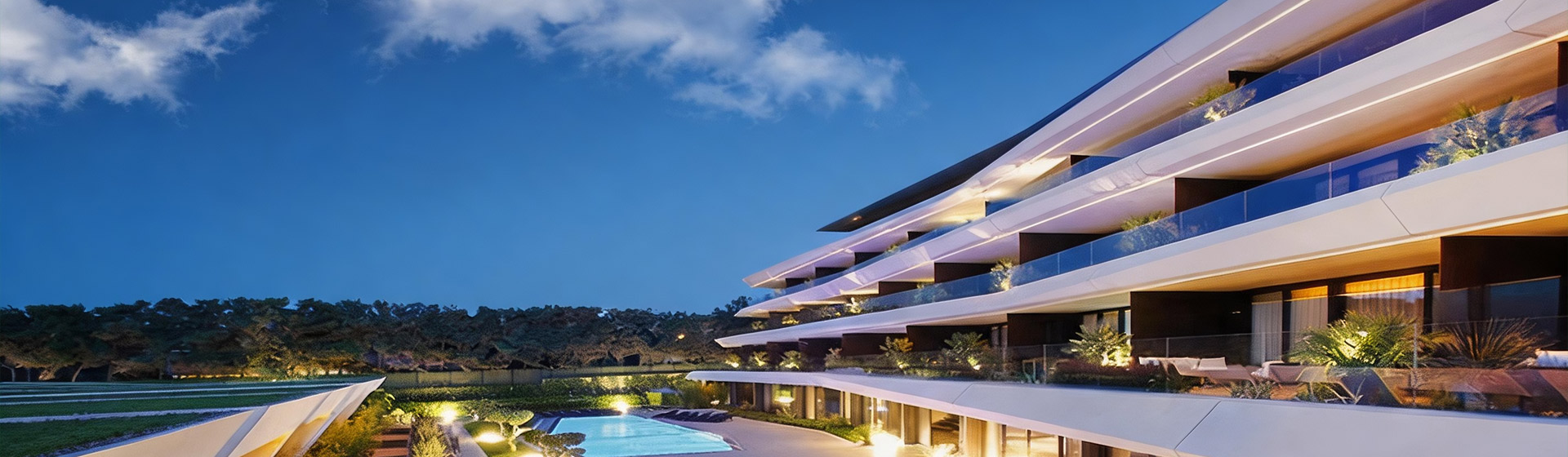
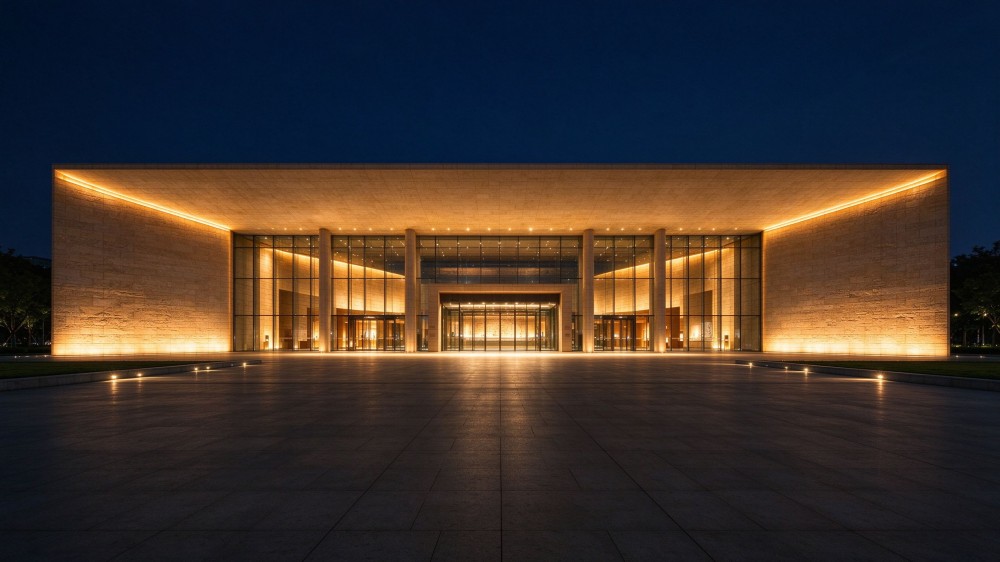
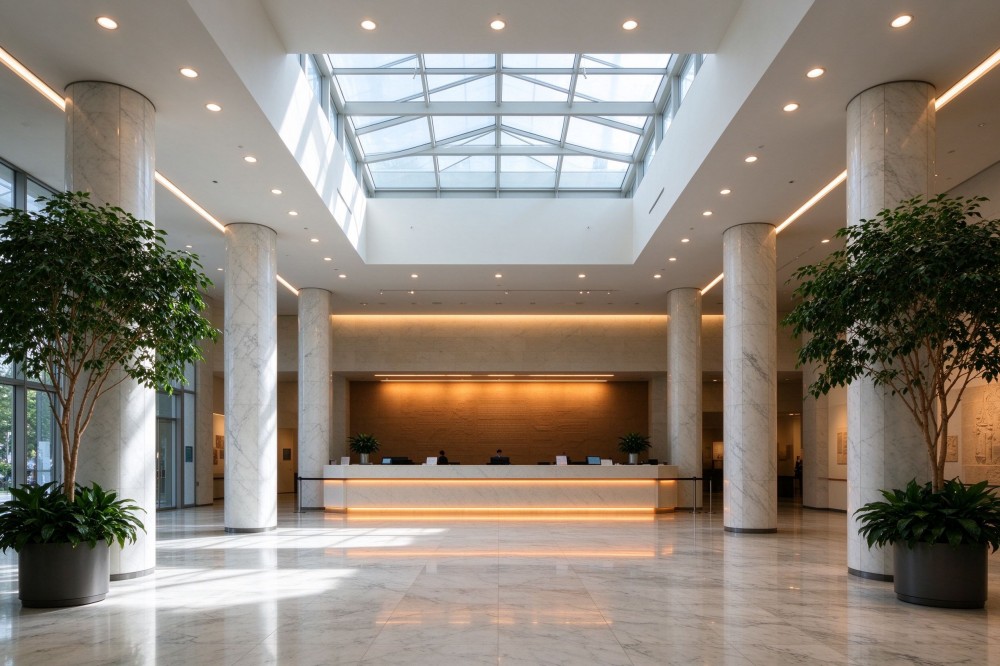
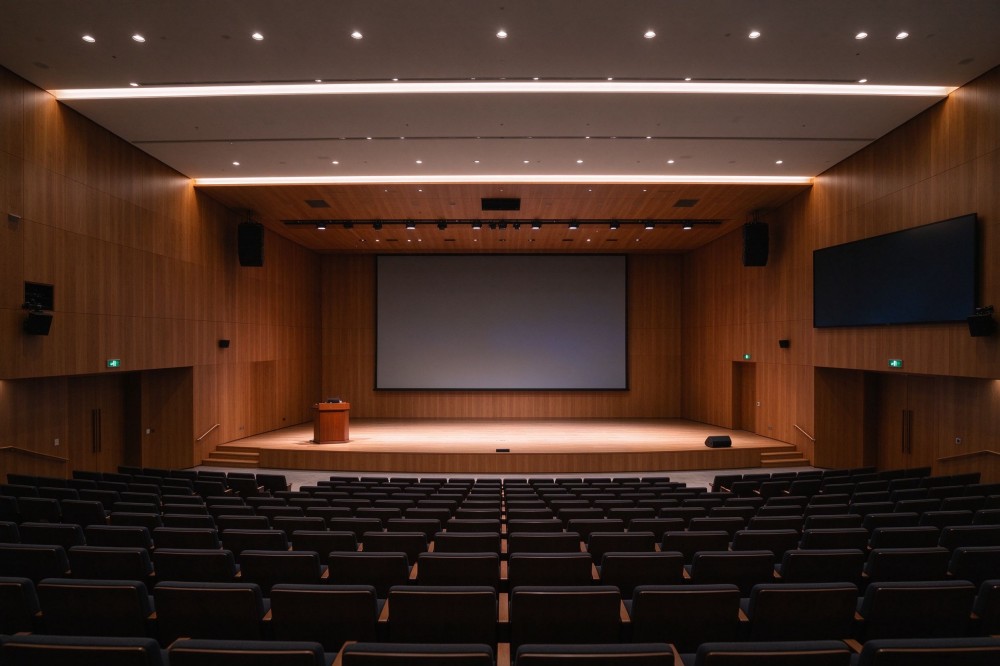
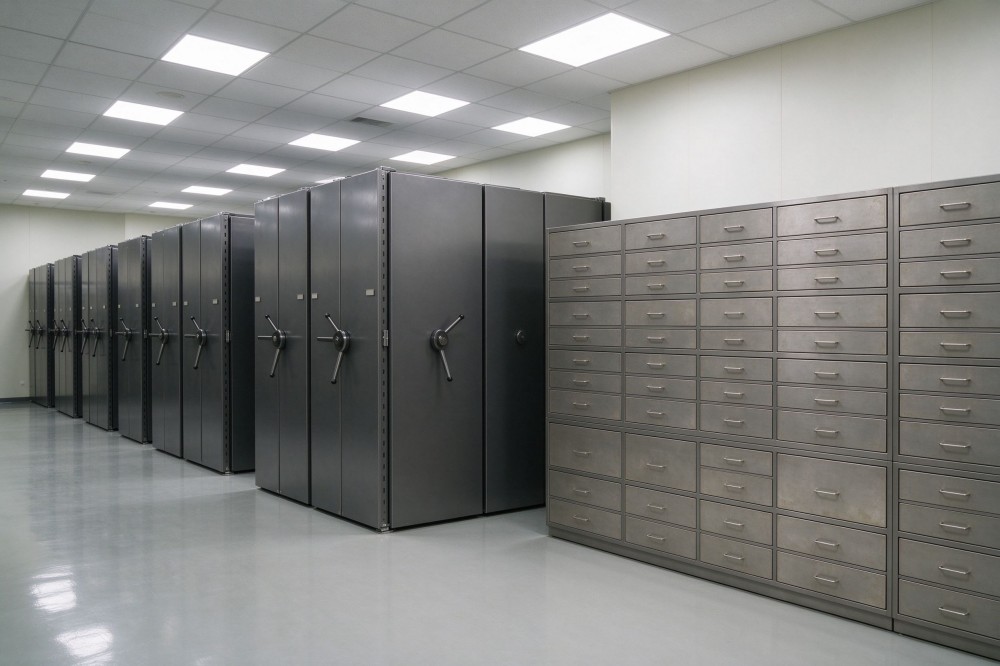
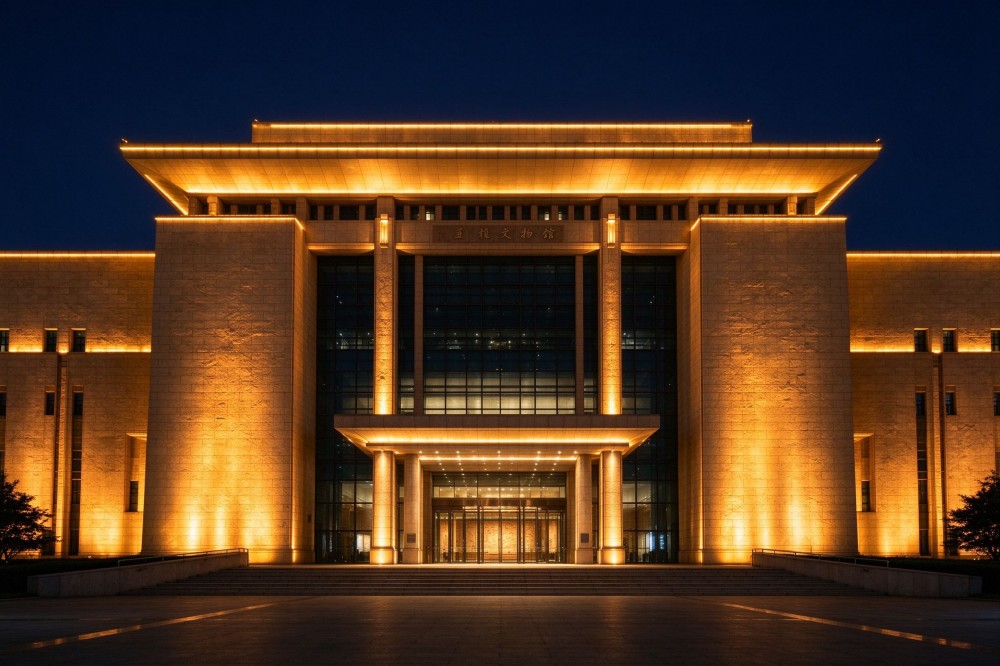
Centered on artifact protection and exhibition experience, it brings together lighting, environment, security, and energy for the exhibition halls, public lobby, academic lecture hall, collection storerooms, and building lighting into one smart system. From daily opening to nighttime closing, and from curation and installation to academic events, every space is made manageable, controllable, and optimizable.
-
 Smart Lighting
-
Constant Illuminance Control
-
Environmental Monitoring
-
Security Linkage
-
Energy Monitoring
-
Centralized Management
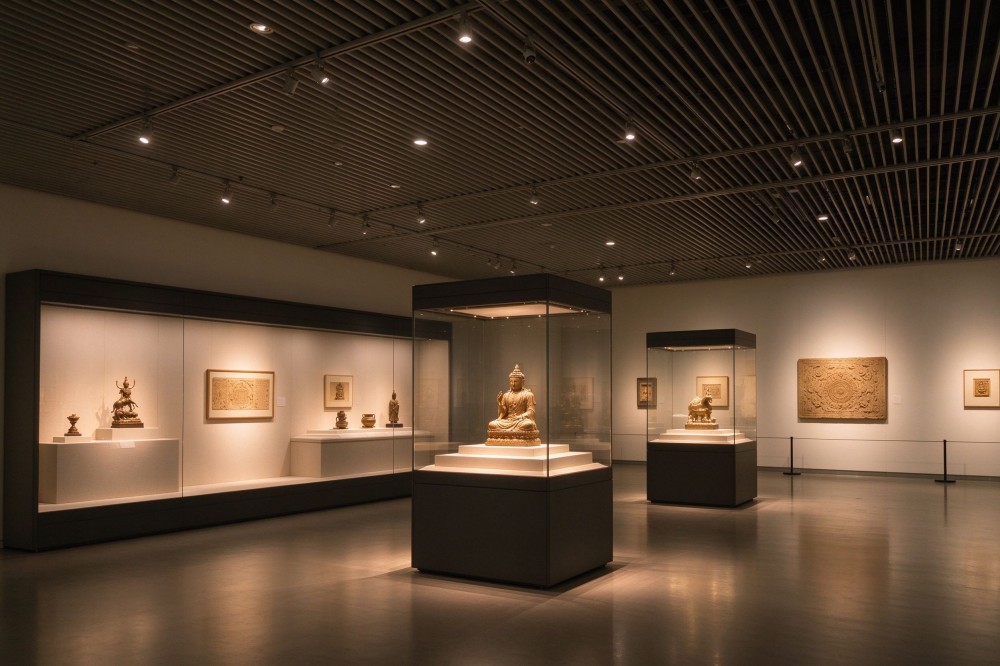
 Constant Illuminance Control: Illuminance sensors automatically adjust luminaire brightness to maintain constant illuminance for exhibits.
The system adopts a layered, distributed architecture consisting of three major modules: the Platform Management Layer, the Network Transmission Layer, and the Field Device Layer. It is compatible with mainstream protocols such as KNX, BACnet, DALI, and Modbus, and fully integrates exhibition hall lighting, air conditioning, security, fire protection, power distribution, and other subsystems, breaking down device silos to achieve unified monitoring, intelligent linkage, and data interoperability across all scenarios.
1
Platform Management Layer
(Centralized Monitoring · Scene Dispatch · Environment Decision)
The exhibition center operations & maintenance center and management departments are managed in a unified way. The smart lighting platform, environment monitoring platform, and energy monitoring platform are displayed on the same screen. Scenes for the exhibition halls, lobby, lecture hall, and storerooms are dispatched with one tap, with the exhibition center's status visible in real time.
1
Network Transmission Layer
(TCP/IP · KNX · BACnet · DALI)
The exhibition center LAN and floor network switches provide reliable transmission, supporting multi-protocol access via RS485, DALI, BACnet, Modbus, and more. Uplink data collects device status and energy consumption; downlink commands dispatch start/stop, dimming, and scene instructions, achieving two-way connectivity.
1
Field Device Layer
(Controllers · Panels · Sensors · Actuators)
Smart panels, dimming modules, and DDC controllers execute control. Air handling units and fresh air units are connected to the building control system. Smart electricity, water, and heating/cooling meters measure energy consumption. Illuminance, temperature & humidity, ultraviolet, and CO₂ sensors perceive the environment and dispatch as needed.
1
Covered systems: Smart Lighting · Constant Illuminance Control · Environmental Monitoring · Security Linkage · Energy Monitoring · Centralized Management — six subsystems operate collaboratively on a single platform.
-
 Artifact Protection
Constant illuminance control and exposure management reduce light damage to exhibits, while real-time monitoring of temperature, humidity, and ultraviolet rays safeguards the collections — giving precious cultural relics professional-grade protection.
-
Exhibition Experience
Curation scenes precisely recreate the design intent, with lighting automatically arranged to match each theme and exhibit, creating an immersive viewing experience for visitors.
-
Energy Saving and Consumption Reduction
Zone dimming, daylight linkage, on-demand storeroom lighting, and energy-efficient late-night operation — multiple measures work together to reduce consumption and lower the exhibition center's operating costs over the long term.
-
Efficient Management
The operations & maintenance center provides unified visibility, with equipment, environment, and energy all on one screen. Faults are proactively alerted, greatly reducing manual inspections and response time.