

 CN
 EN

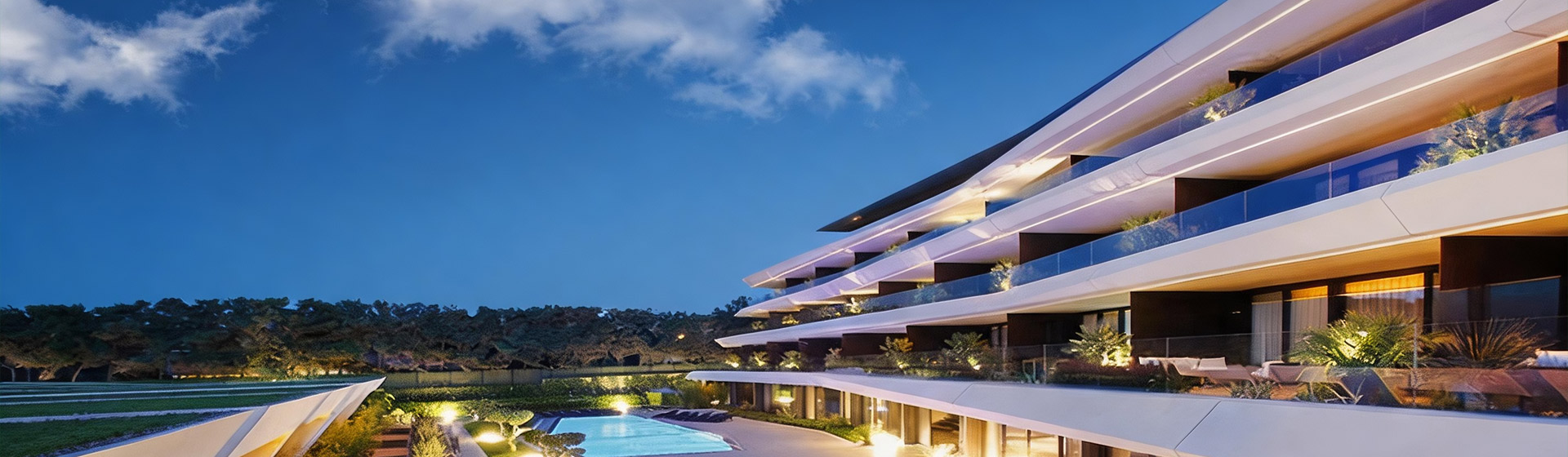
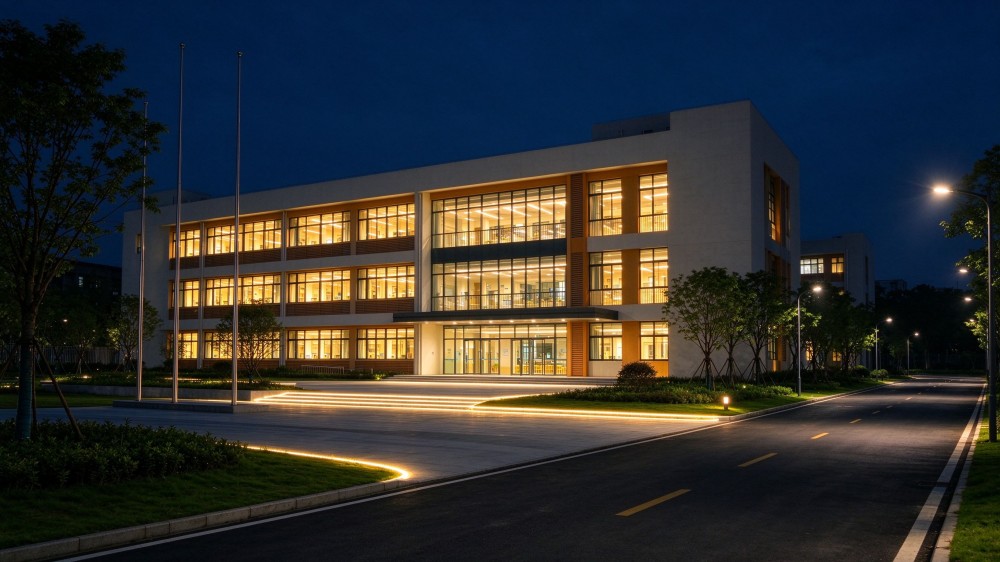
Centered on campus teaching and energy-efficient operation, it integrates lighting, air conditioning, mechanical & electrical equipment, and energy across classrooms, the library, lecture halls, the gymnasium, and the playground into a single smart system. From daily teaching to large events, and from daytime classes to nighttime lighting, it keeps every space manageable, controllable, and optimizable.
-
 Smart Lighting
-
Building Automation Control
-
Energy Monitoring
-
Scene Control
-
Environmental Monitoring
-
Centralized Management
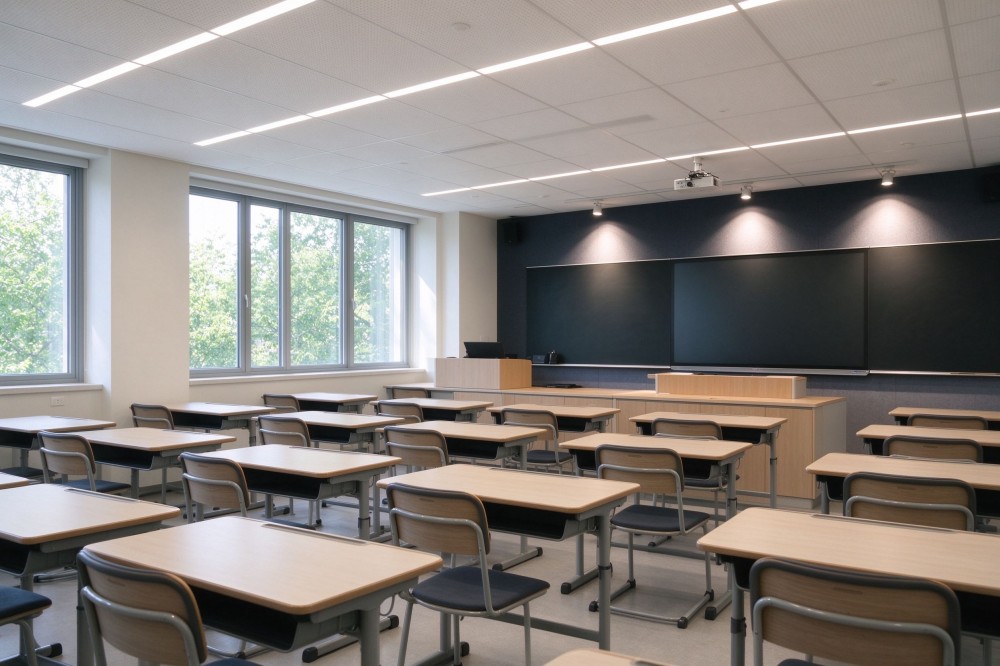
 Constant Illuminance Control: Illuminance sensors automatically adjust luminaire brightness to maintain constant desktop illuminance for eye protection and energy conservation.
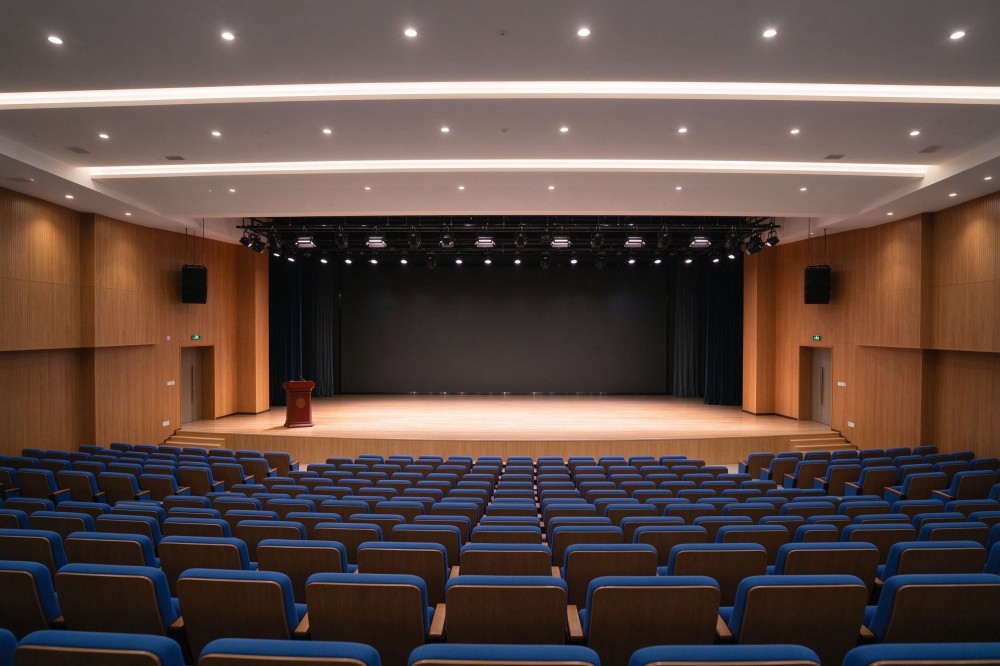
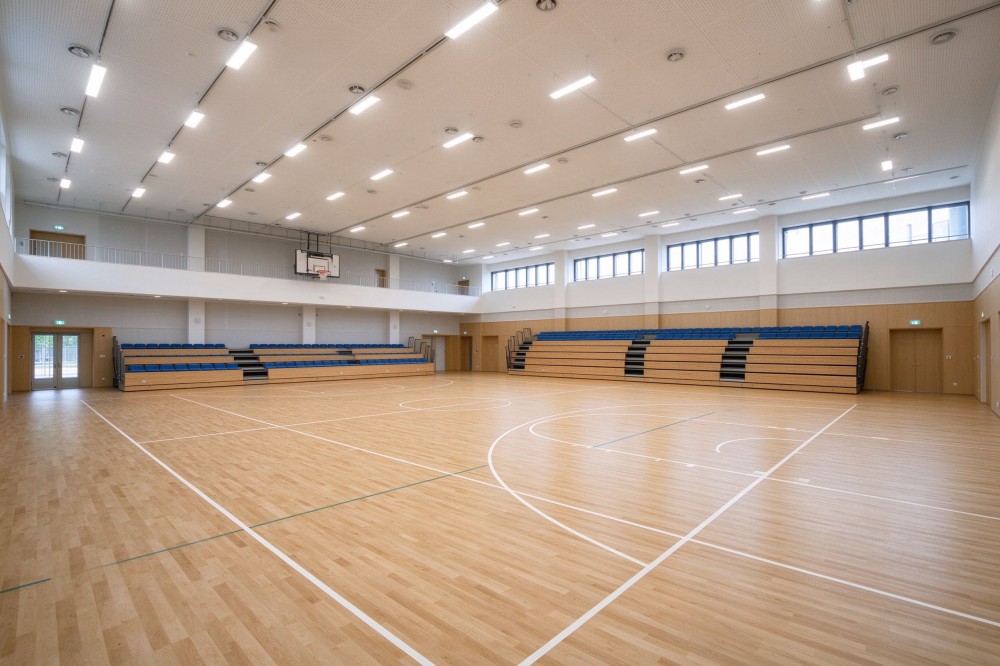
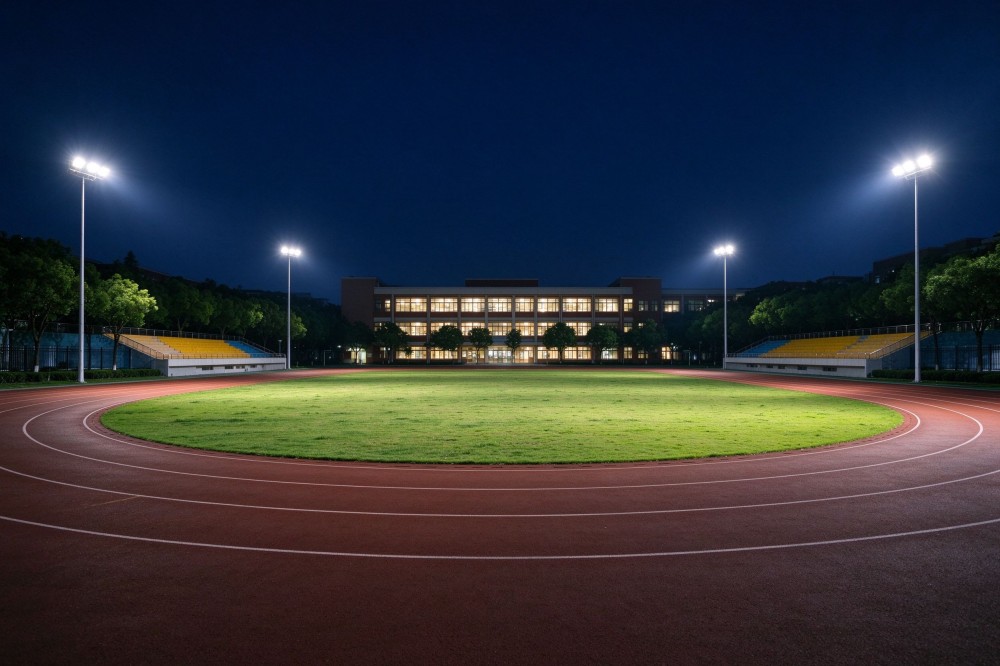
The system adopts a layered distributed architecture, consisting of three major modules: platform management layer, network transmission layer and field device layer. It is compatible with mainstream protocols such as KNX, BACnet, DALI and Modbus, and fully connects various subsystems including campus lighting, air conditioning, fresh air, fire protection and power distribution. It eliminates device silos to realize unified monitoring, intelligent linkage and data interconnection of full-scenario devices.
1
Platform Management Layer
(Centralized Monitoring · Scene Distribution · Energy Consumption Decision-making)
Unified management by the campus operation and maintenance center and logistics management department; the intelligent lighting platform, building automation platform and energy consumption monitoring platform are displayed on the same screen. Scenes for classrooms, libraries, lecture halls and stadiums can be deployed with one click, enabling real-time visualization of campus status.
1
Network Transmission Layer
(TCP/IP · KNX · BACnet · DALI)
Reliable transmission via campus LAN and floor network switches. It supports multi-protocol access including RS485, DALI, BACnet and Modbus. It collects device status and energy consumption data in the uplink, and issues start-stop, dimming and scene commands in the downlink for bidirectional communication.
1
Field Device Layer
(Controllers · Panels · Sensors · Actuators)
Control is executed by smart panels, dimming modules and DDC controllers. Air conditioning units and fresh air units are connected to building automation systems. Smart electric meters, water meters and cooling/heat meters measure energy consumption. Illuminance, occupancy, temperature/humidity and CO₂ sensors perceive the environment for on-demand scheduling.
1
Covered Systems: Intelligent Lighting · Building Automation · Energy Consumption Monitoring · Scene Control · Environmental Monitoring · Centralized Management. The six subsystems operate collaboratively on a single platform.
-
 Energy Saving & Consumption Reduction
Classroom sensor and constant illuminance control, time-phased playground lighting, and status-based air conditioning operation jointly reduce consumption across multiple links, cutting long-term campus operating energy costs.
-
Teaching Experience
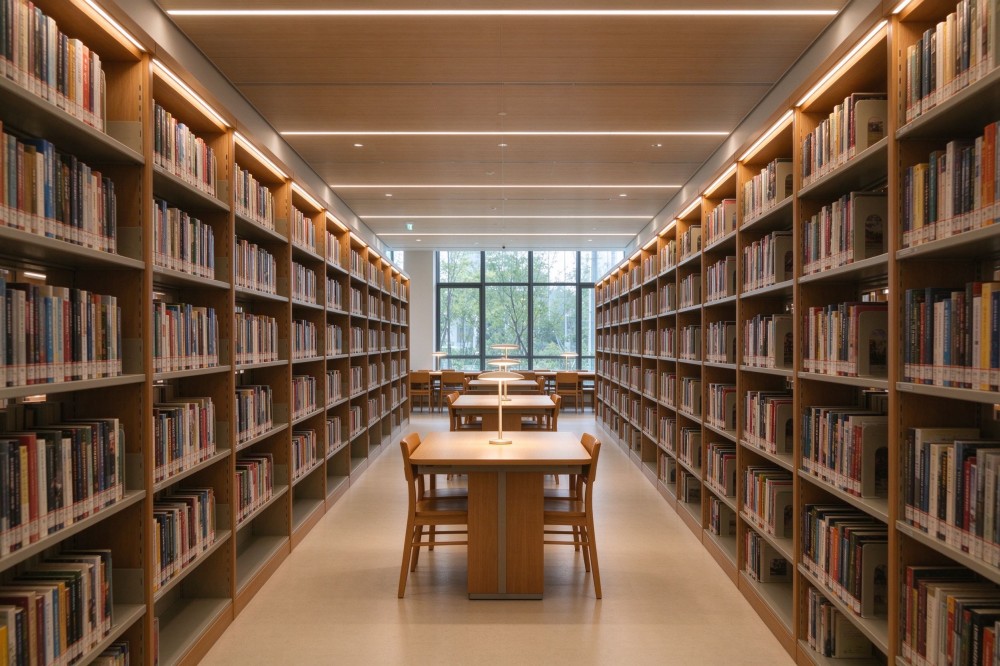
Constant and comfortable illuminance in classrooms, one-click scene switching in lecture halls, and eye-friendly reading lighting in libraries create a high-quality teaching and learning environment for teachers and students.
-
Efficient Management
Unified visualization at the operation and maintenance center, enabling one-screen overview of equipment, energy consumption and environment. Active fault early warning greatly reduces manual inspection and response time.
-
Safety & Reliability
Emergency lighting linked with fire protection and real-time monitoring of equipment status safeguard campus activities and the safety of teachers and students, with traceable operation of the entire system.