

 CN
 EN

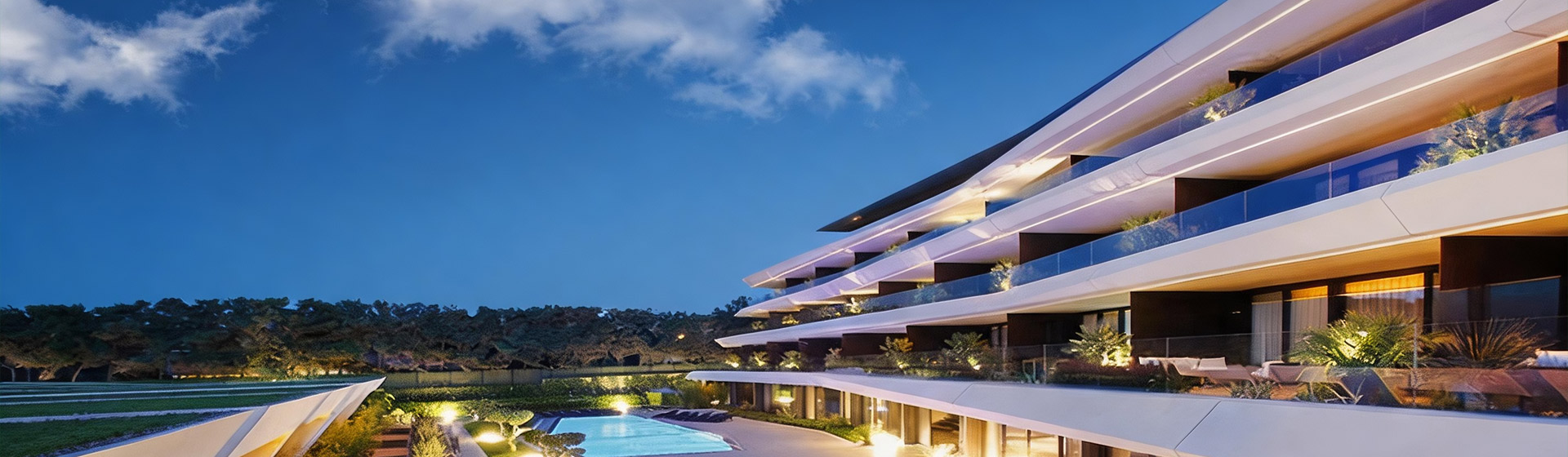
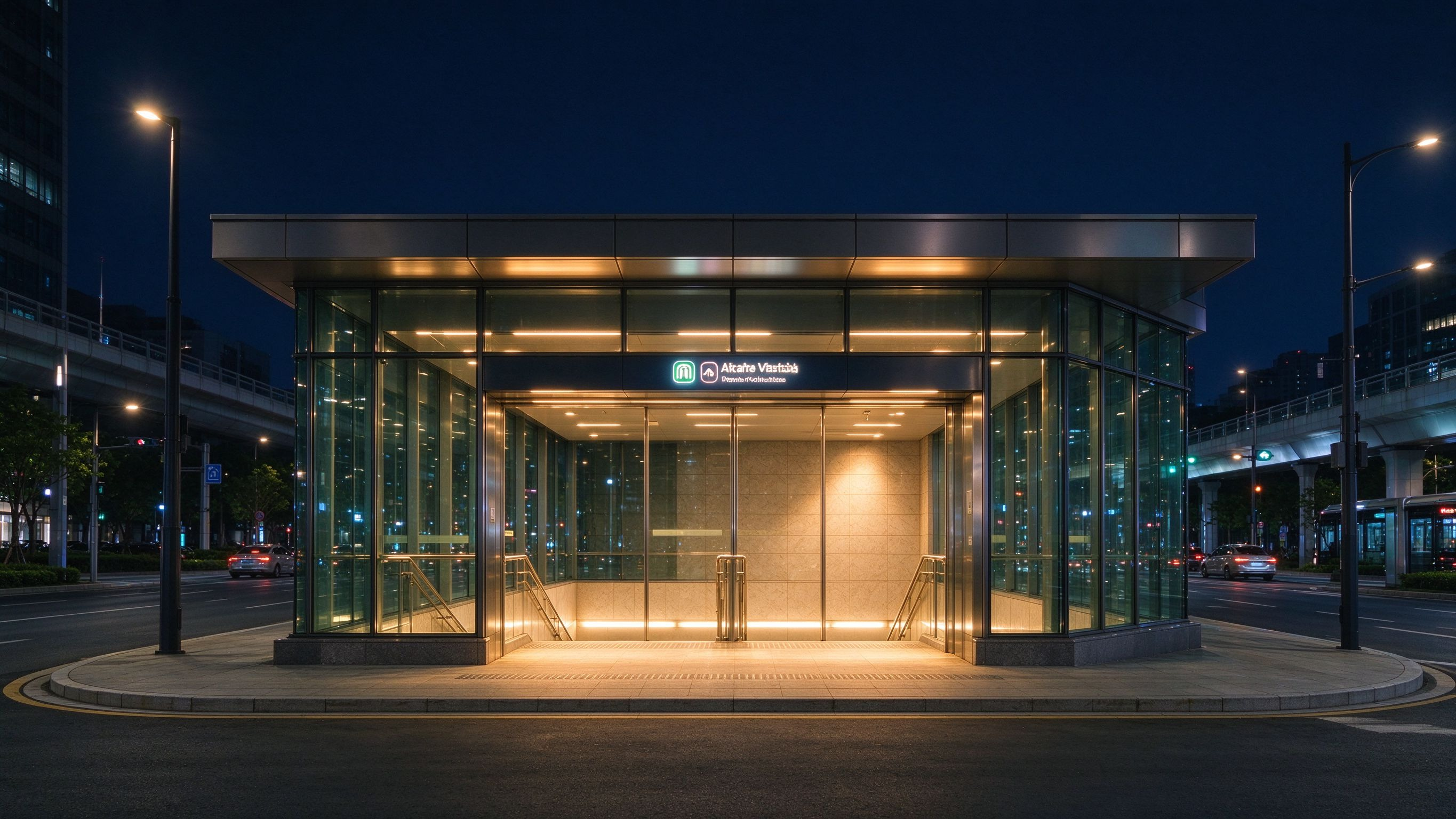
Focusing on safe operation and energy saving & consumption reduction, it integrates lighting, air conditioning, ventilation, electromechanical equipment and energy consumption of station halls, platforms, entrances & exits, equipment rooms and tunnel sections into an intelligent system. From the first train to the last train, from peak operation to night maintenance, every space of the station is manageable, controllable and optimizable.
-
 Intelligent Lighting
-
Building Automation
-
Energy Consumption Monitoring
-
Environmental Monitoring
-
Scene Control
-
Centralized Management
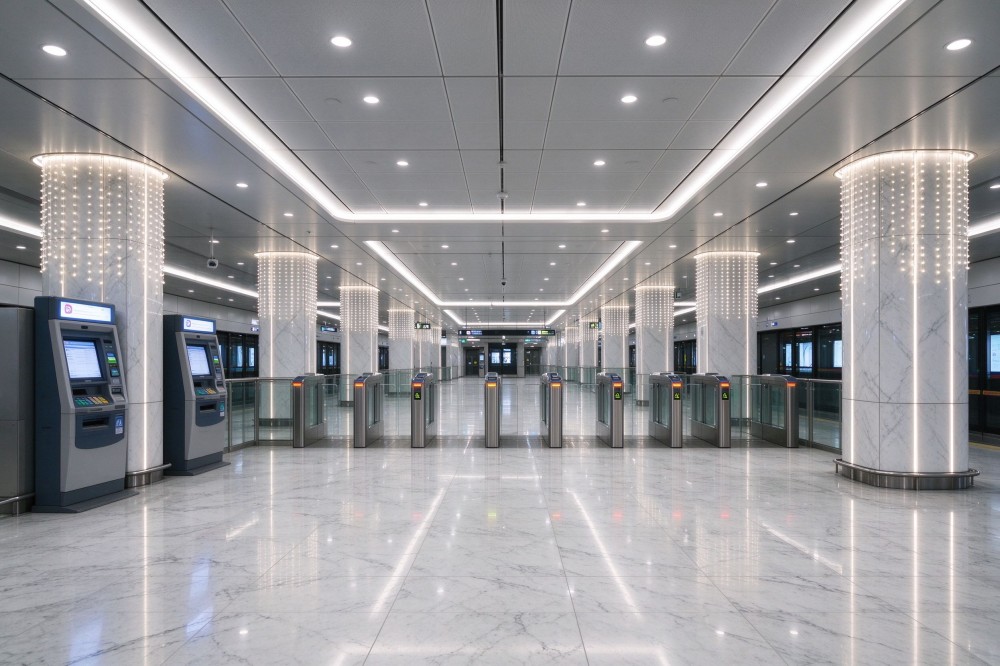
 Graded Lighting: Automatic switching among multi-level lighting strategies for normal operation, low passenger flow, station closing and emergency scenarios.
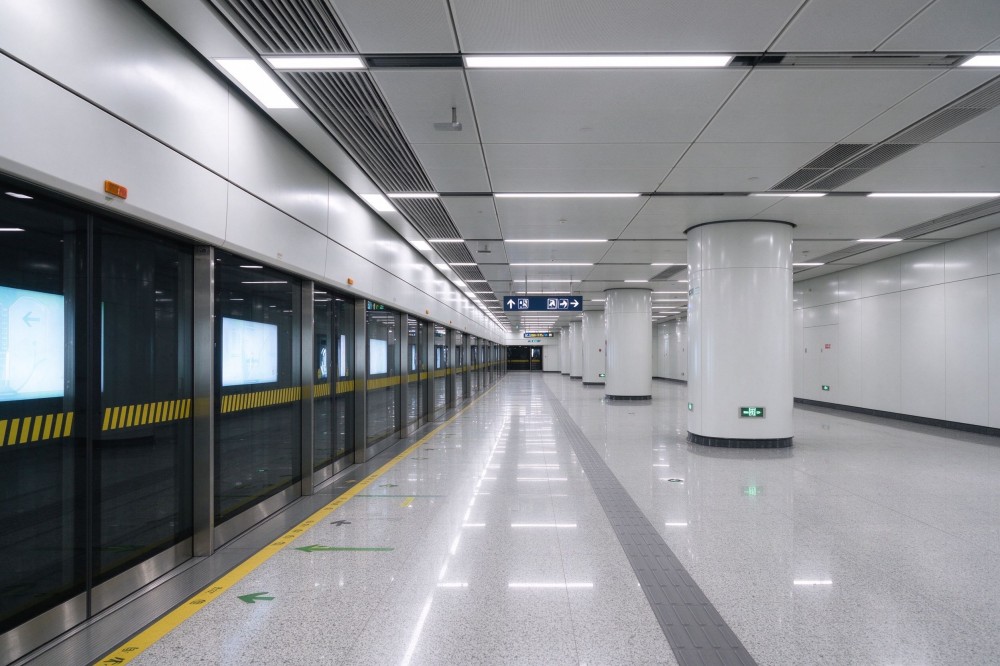
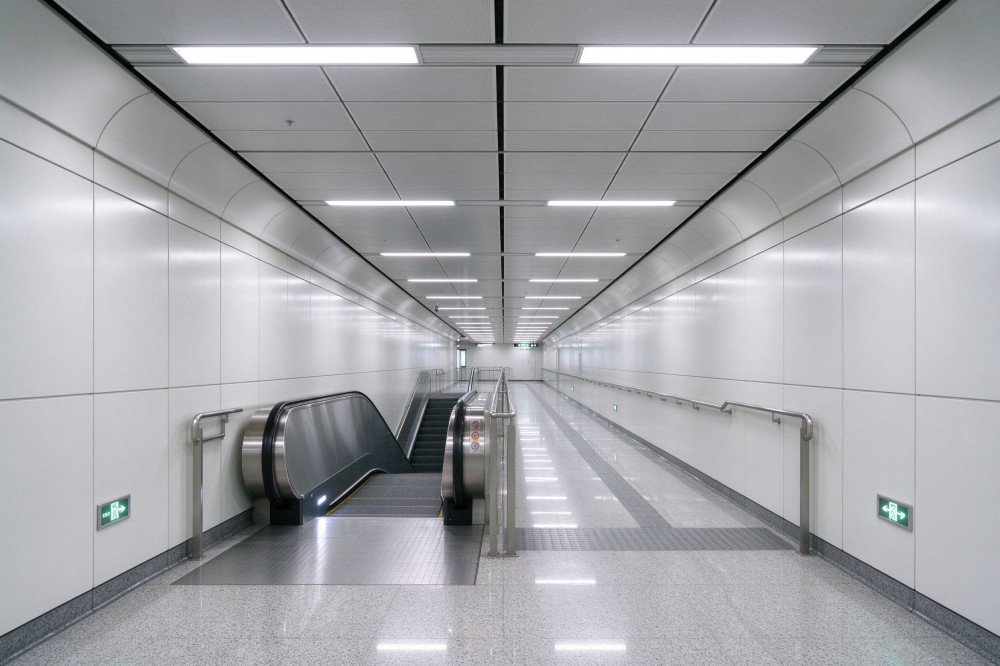
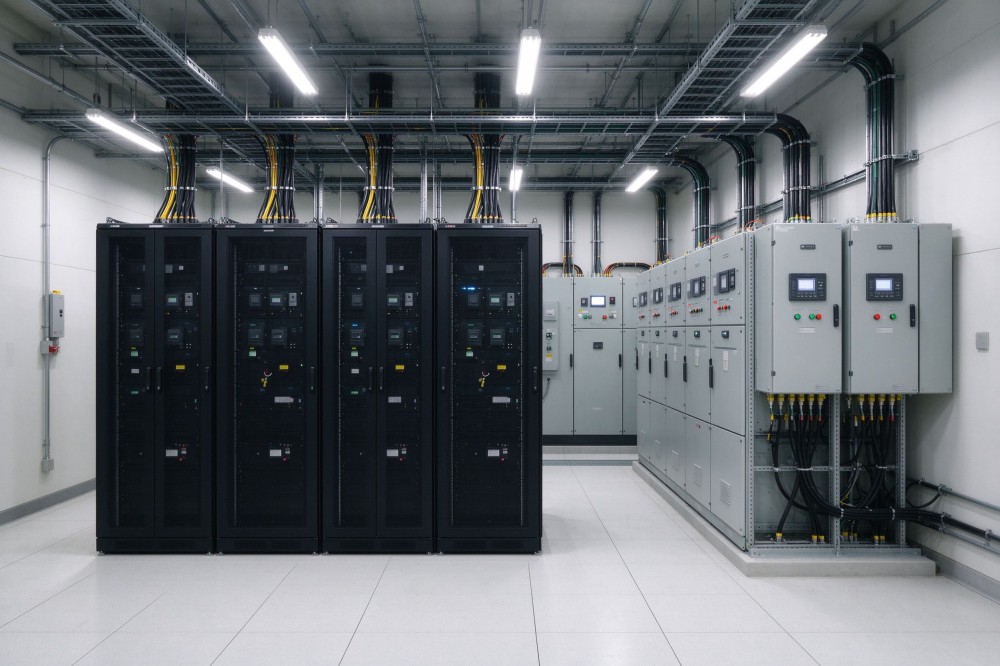
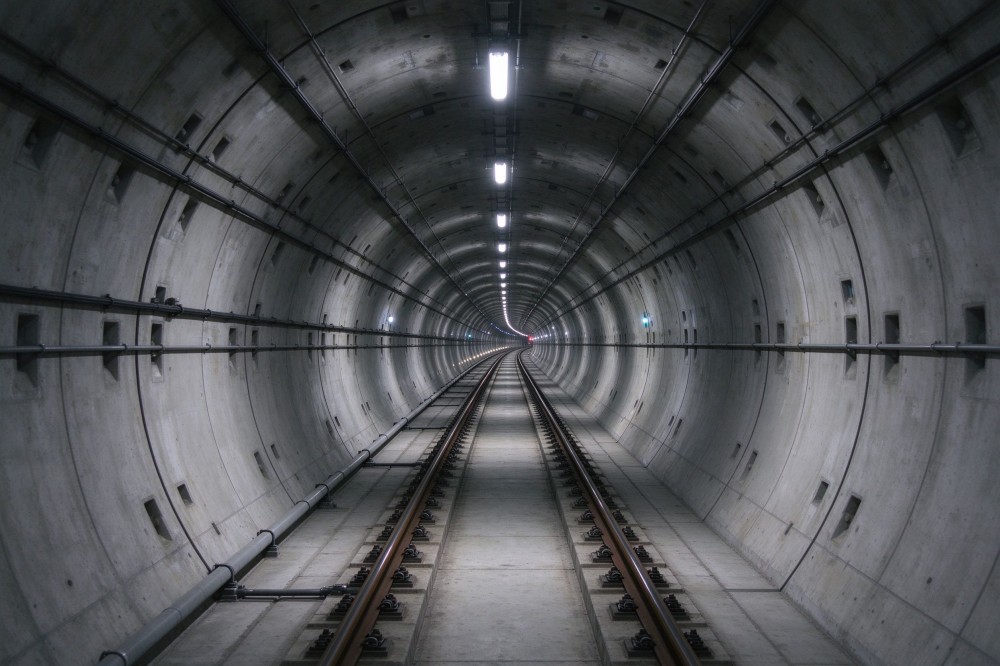
The system adopts a layered distributed architecture, consisting of three major modules: platform management layer, network transmission layer and field device layer. It is compatible with mainstream protocols such as KNX, BACnet, DALI and Modbus, fully connecting various subsystems including station lighting, air conditioning, ventilation, fire protection and power distribution. It eliminates equipment silos to realize unified monitoring, intelligent linkage and data intercommunication of devices across all scenarios.
1
Platform Management Layer
(Centralized Monitoring · Scene Distribution · Energy Consumption Decision-making)
Unified management by the station control center and operation & maintenance department; simultaneous display of intelligent lighting platform, building automation platform and energy consumption monitoring platform on one screen. One-click distribution of scenarios for station halls, platforms, entrances & exits and tunnels with real-time visibility of station status.
1
Network Transmission Layer
(TCP/IP · KNX · BACnet · DALI)
Reliable transmission via station LAN and floor network switches, supporting multi-protocol access including RS485, DALI, BACnet and Modbus. It uploads device status and energy consumption data upward, and issues start-stop, dimming and scene commands downward for bidirectional connectivity.
1
Field Device Layer
(Controllers · Panels · Sensors · Actuators)
Control is executed by smart panels, dimming modules and DDC controllers. Air conditioning units and ventilation units are connected to building automation systems. Smart electric meters, water meters and cold/heat meters measure energy consumption. Illuminance, occupancy, temperature & humidity and CO₂ sensors perceive the environment to enable on-demand scheduling.
1
Covered Systems: Intelligent Lighting · Building Automation · Energy Consumption Monitoring · Environmental Monitoring · Scene Control · Centralized Management. The six subsystems operate collaboratively on a single platform.
-
 Safe and Reliable
Emergency lighting interlocks with fire protection, disaster prevention scenarios switch automatically, and equipment status is monitored in real time to ensure station operation safety and passenger travel safety, with traceable operation of the entire system.
-
Energy Saving & Consumption Reduction
Graded lighting, time-phased control, sensor-based control and on-demand air conditioning operation jointly reduce consumption across multiple links, cutting the long-term energy operating costs of the station.
-
Efficient Operation
Unified visualization at the control center; equipment, energy consumption and environment status are available on one screen. Proactive fault early warning greatly reduces manual inspection and response time.
-
Passenger Experience
Constant and comfortable illuminance in station halls and platforms, clear guidance lighting and bright passages create a safe and pleasant travel environment for passengers.