

 CN
 EN

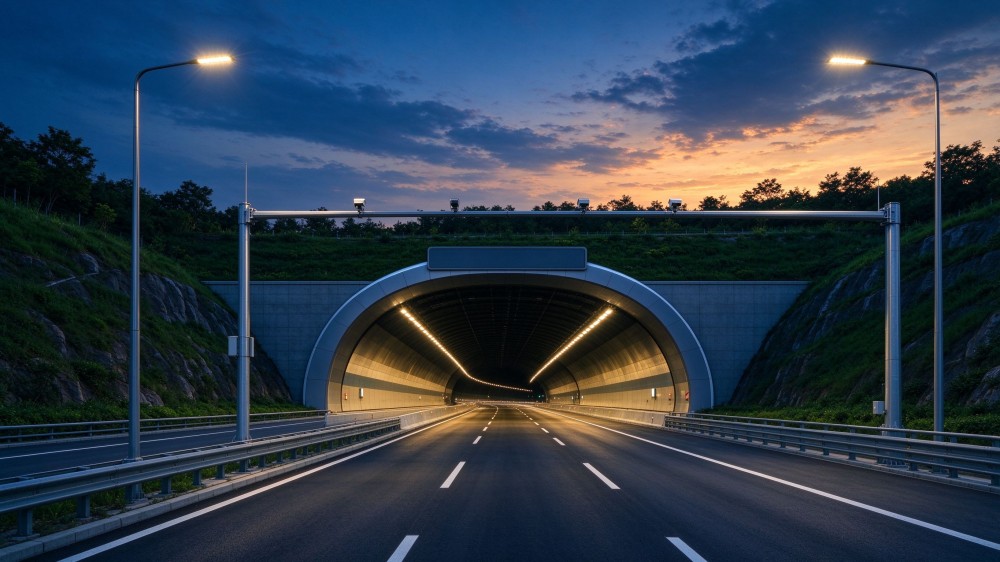
Centered on safe tunnel operation, it integrates lighting, ventilation, fire protection, environmental monitoring and energy consumption into a unified intelligent system. Spanning entrance transition zones, normal driving sections, emergency evacuation areas and monitoring centers, it enables every tunnel segment to be perceptible, controllable and optimizable.
-
 Intelligent Tunnel Lighting
-
Emergency Lighting Linkage
-
Environmental Monitoring
-
Ventilation Linked Control
-
Energy Consumption Monitoring
-
Centralized Monitoring and Remote Operation & Maintenance
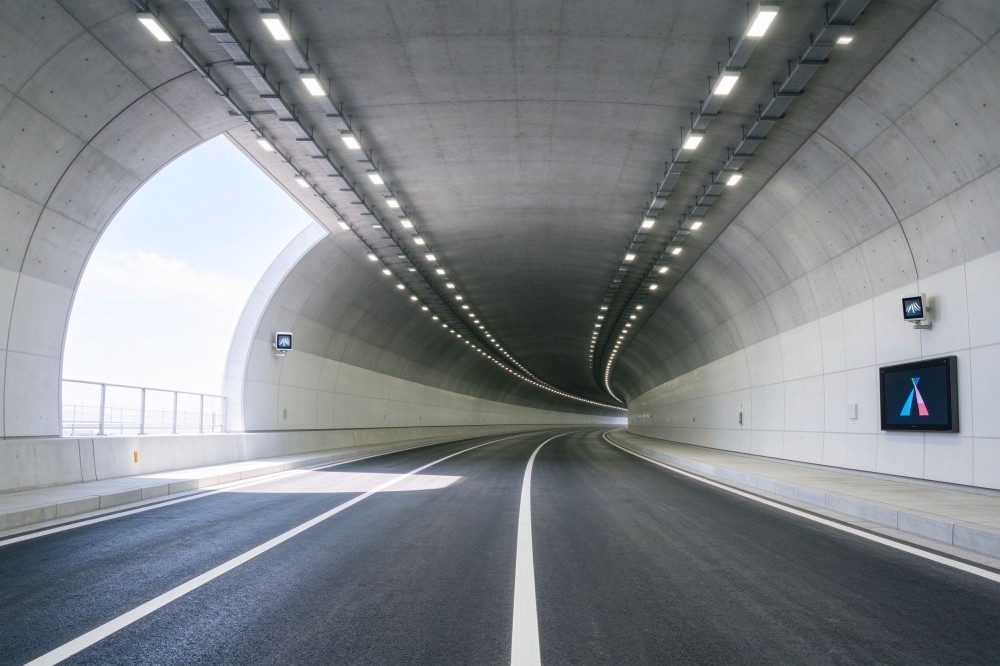
 Outside Tunnel Brightness Detection: Brightness sensors collect outside tunnel brightness in real time and automatically calculate the required enhanced lighting for the entrance section.
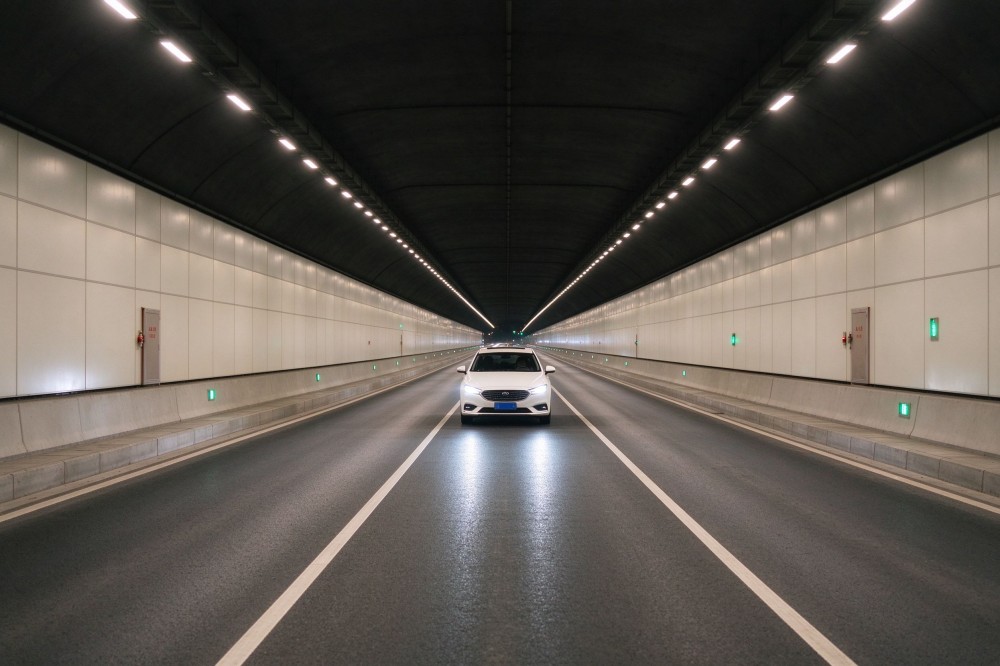
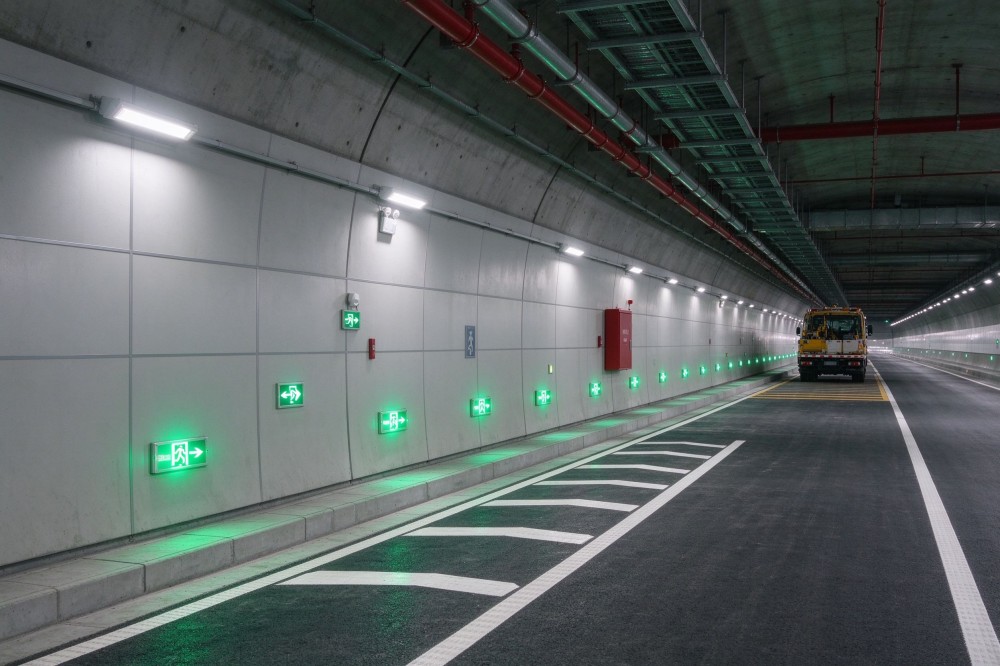
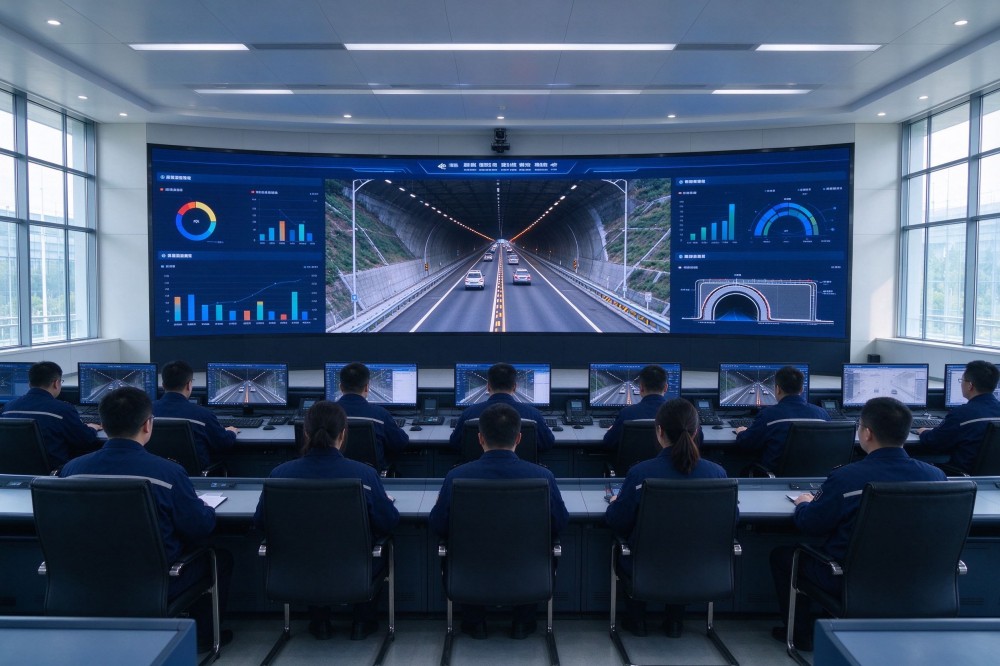
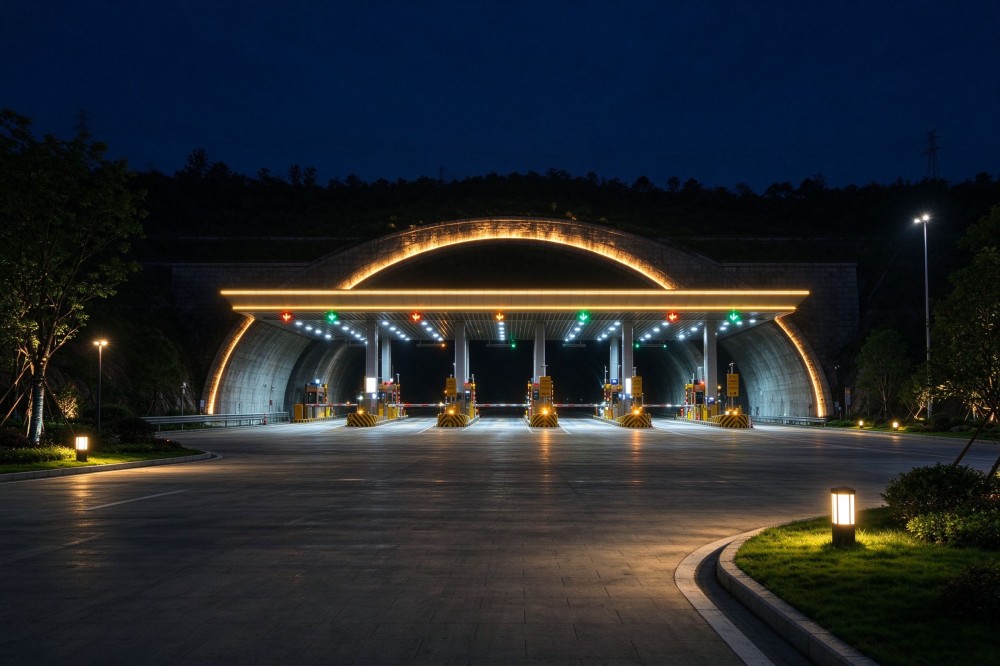
The system adopts a layered distributed architecture, consisting of three major modules: platform management layer, network transmission layer and field device layer. It is compatible with mainstream industrial protocols such as KNX, BACnet, DALI and Modbus, and fully connects various subsystems including tunnel lighting, ventilation, fire protection, power supply and distribution. It eliminates device silos to realize unified monitoring, intelligent linkage and data intercommunication of full-scenario devices.
1
Platform Management Layer
(Centralized Monitoring · Scene Deployment · Energy Consumption Decision-making)
Unified management by tunnel monitoring center and operation departments; simultaneous display of intelligent lighting platform, environmental monitoring platform and energy consumption monitoring platform on one screen. One-click deployment of daily, peak, night and emergency scenarios with real-time visibility of tunnel status.
1
Network Transmission Layer
(TCP/IP · KNX · BACnet · Modbus)
Reliable transmission via tunnel LAN and ring network switches. Supports multi-protocol access including RS485, DALI, BACnet and Modbus. It collects device status and data on the uplink and issues control commands on the downlink for bidirectional connectivity.
1
Field Device Layer
(Controllers · Panels · Sensors · Actuators)
Intelligent panels, dimming modules and DDC controllers perform control functions. Brightness, CO, visibility and wind speed sensors perceive the environment. Smart electric meters measure energy consumption. Emergency lighting and fire protection modules work in linkage for on-demand scheduling.
1
Covered Systems: Tunnel Intelligent Lighting · Emergency Lighting Linkage · Environmental Monitoring · Ventilation Linked Control · Energy Consumption Monitoring · Centralized Monitoring and Remote Operation & Maintenance. The six subsystems operate collaboratively on a single platform.
-
 Safety & Reliability
Smooth transition at tunnel entrances, forced emergency linkage cut-off and real-time fault early warning ensure the safety of tunnel traffic and personnel evacuation.
-
Energy Saving & Consumption Reduction
On-demand lighting, traffic flow linkage and time-divided control jointly cut energy consumption, reducing long-term tunnel operation energy use.
-
Efficient Operation & Maintenance
Single-screen management at the monitoring center, remote equipment monitoring and proactive fault early warning reduce manual inspection and response time.
-
Lighting Environment Quality
Stepless dimming enables smooth light transition to eliminate black hole and white hole effects, improving drivers' visual comfort and safety.