

 CN
 EN

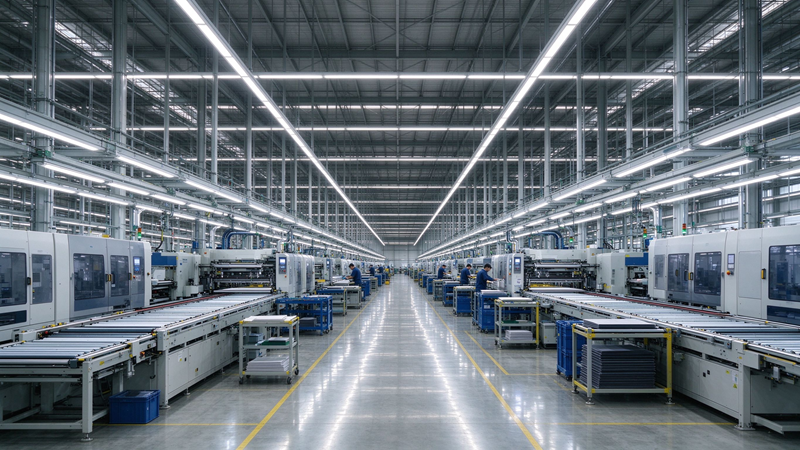
The system covers factory production and operation & maintenance. Centered on scenario control of production workshops, it integrates lighting, air conditioning and electromechanical equipment into a unified intelligent system, and further expands to building automation, energy consumption monitoring and environmental monitoring. During production hours, lighting and air conditioning run automatically according to process requirements; during non-production hours, energy consumption is reduced by zone and time period, enabling every area of the factory to be manageable, controllable and optimizable.
 Time-based Scenarios: Automatic switching among multiple periods including production preparation, formal production, overtime work and maintenance.
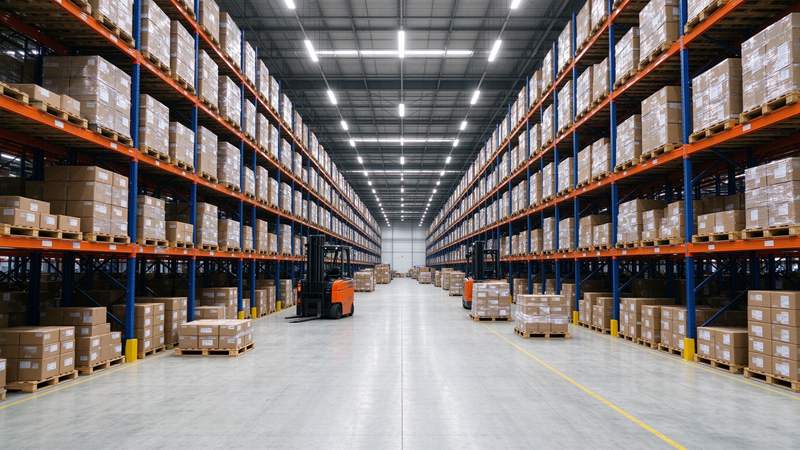
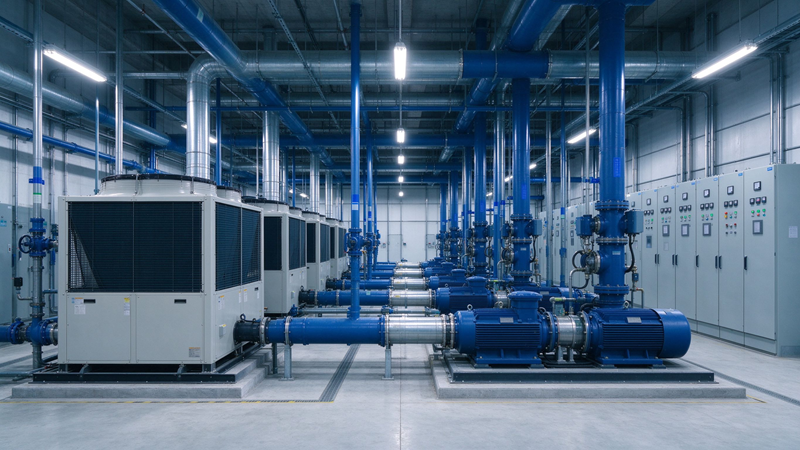
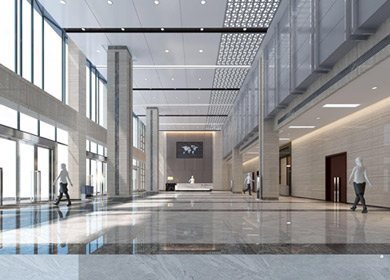
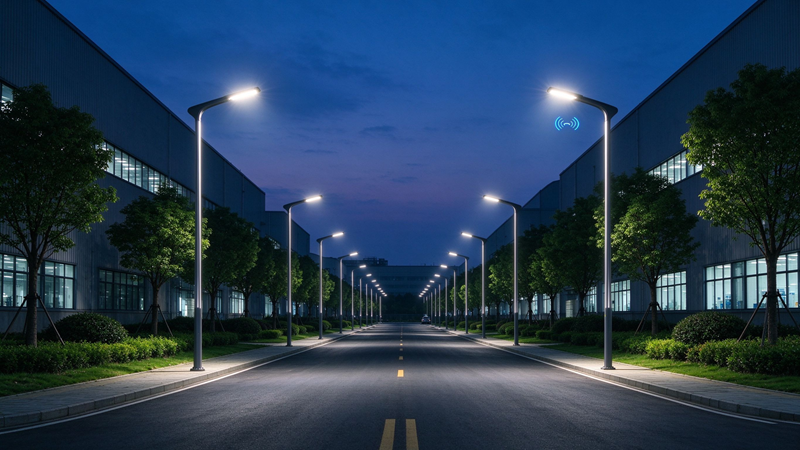
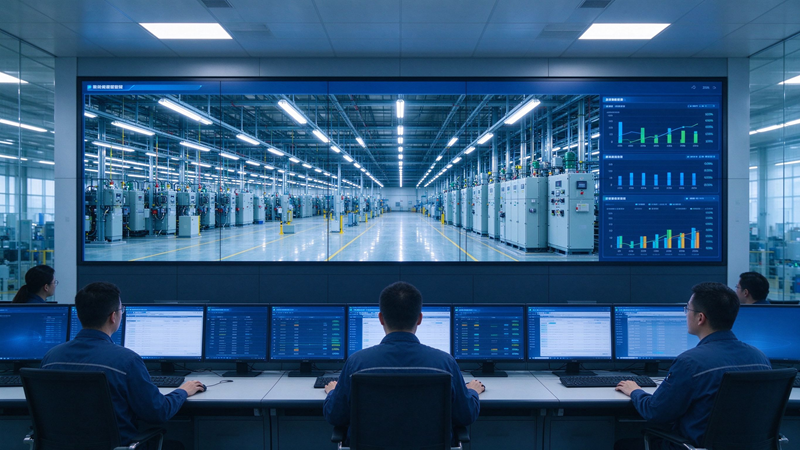
The system adopts a layered distributed architecture, divided into three major modules: Platform Management Layer, Network Transmission Layer and Field Device Layer. Catering to the practical demands of multiple spaces such as production workshops, warehousing & logistics areas and power stations, it centrally integrates systems including intelligent lighting, building automation, energy consumption monitoring and environmental monitoring. Lighting and air-conditioning scenes in workshops operate in different time slots based on production schedules; separate lighting circuits and sensor controls in storage areas realize automatic energy saving; equipment in power stations runs on demand according to timetables, and faults of critical circuits are displayed on the screen in real time. It achieves full-domain linkage and green operation of lighting, air conditioning, electromechanical devices and energy.
1
Platform Management Layer
(Centralized Monitoring · Scene Distribution · Energy Consumption Decision-making)
The intelligent lighting control system, building control system and energy management system are displayed on one screen. Managed uniformly by the central control center, scenes for workshops, warehouses, offices and roadways can be deployed with one click, and the status of the whole factory is visible in real time.
1
Network Transmission Layer
(TCP/IP · KNX · BACnet · Modbus · CAN)
Reliable transmission is realized through factory LAN and floor network switches. It supports multi-protocol access including TCP/IP, CAN, BACnet and Modbus. It collects device status and energy consumption data in the uplink, and sends start/stop, dimming and scene commands in the downlink, realizing two-way communication.
1
Field Device Layer
(Controllers · Panels · Sensors · Actuators)
Intelligent panels, switch drivers and dimming modules execute controls. Air conditioning units, air compressors and water pumps are connected to the building control system. Smart electric meters, water meters and cold/heat meters measure energy consumption. Motion sensors, illuminance, temperature & humidity and CO₂ sensors perceive the environment to schedule devices on demand.
1
Covered Systems: Intelligent Lighting · Building Automation · Energy Consumption Monitoring · Environmental Monitoring · Public Area Control · Fire Emergency Linkage. The six subsystems operate collaboratively on a single platform.
-
 Energy Saving & Consumption Reduction
Time-divided scenarios, zoned circuits, alternating lighting and sensor control, as well as on-demand air conditioning operation jointly reduce energy consumption across multiple links to minimize the factory's operational energy use.
-
Efficient Production
Workshop lighting and air conditioning operate automatically in line with production rhythms. Centralized management of electromechanical equipment reduces downtime waiting and ensures continuous and efficient production.
-
Safe & Reliable
Fire linkage for forced cut-off and forced activation, lightning protection and real-time monitoring of equipment status ensure continuous factory operation and personnel safety.
-
Efficient Operation & Maintenance
Centralized visualization via central control. Equipment, energy consumption and environment data are accessible on a single screen. Proactive fault early warning greatly reduces manual inspection and response time.