

 CN
 EN

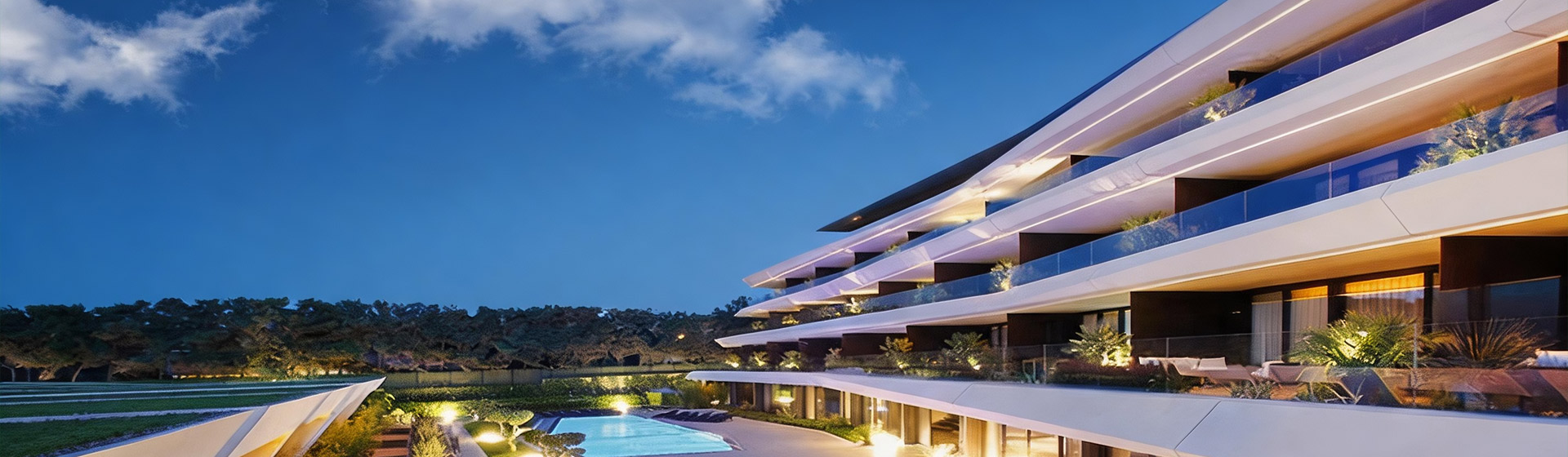
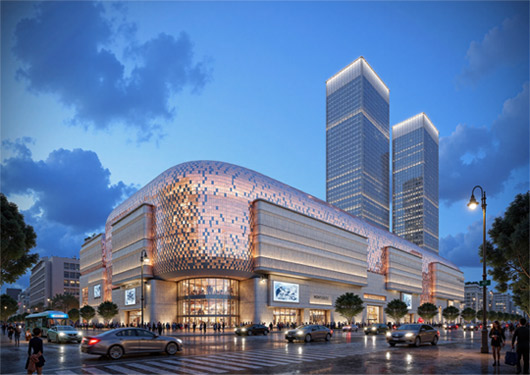
A commercial complex brings together diverse business formats, dense foot traffic, and high lighting energy consumption. Centered on scene control for the atrium and public areas, it unifies lighting, air conditioning, and sun shading into one smart system, extending upward to building automation, energy monitoring, and environment monitoring. During business hours, lighting and air conditioning run automatically according to visitor flow; after closing, consumption is reduced by zone and time — keeping tens of thousands of square meters of commercial space both bustling and comfortable, yet energy-efficient.
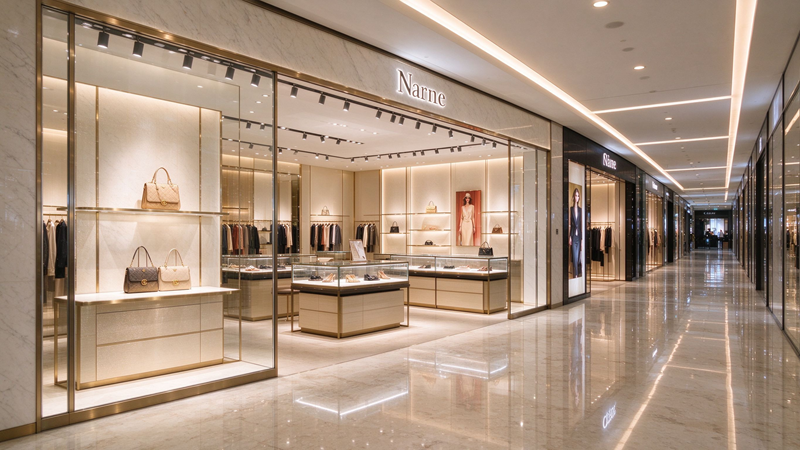
 Scene Control: Flexible zoning and lighting switching for large stores and specialty shops according to business status.
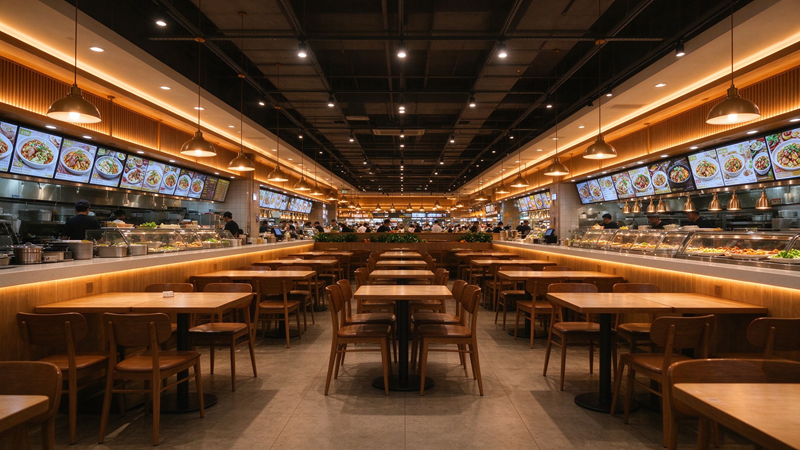
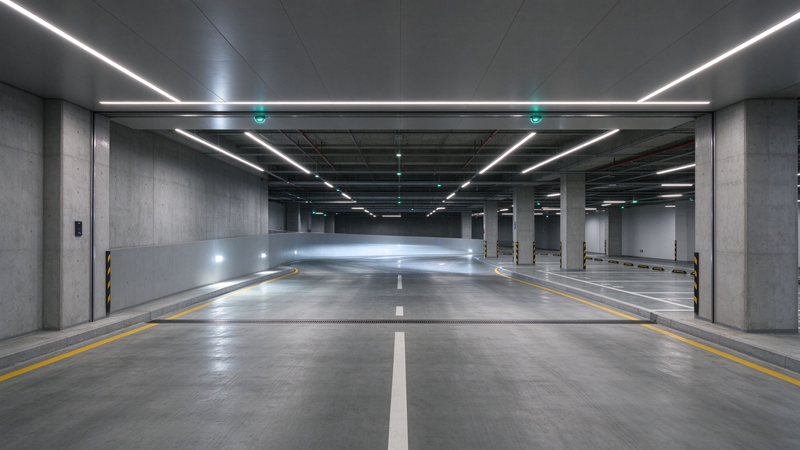
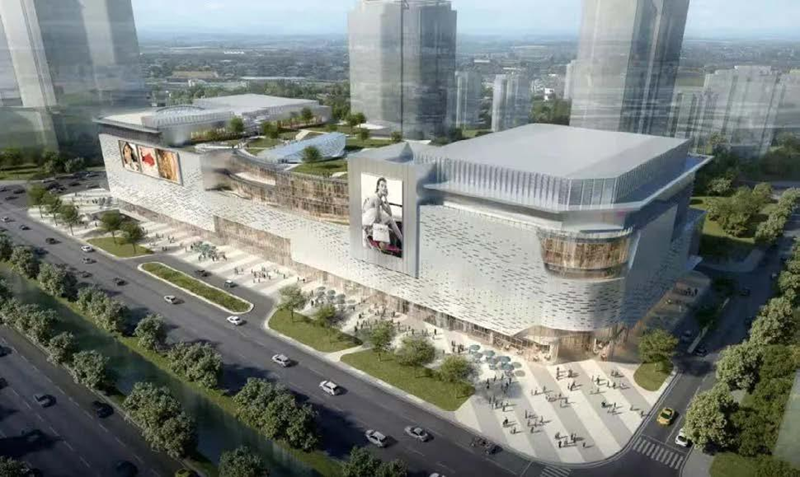
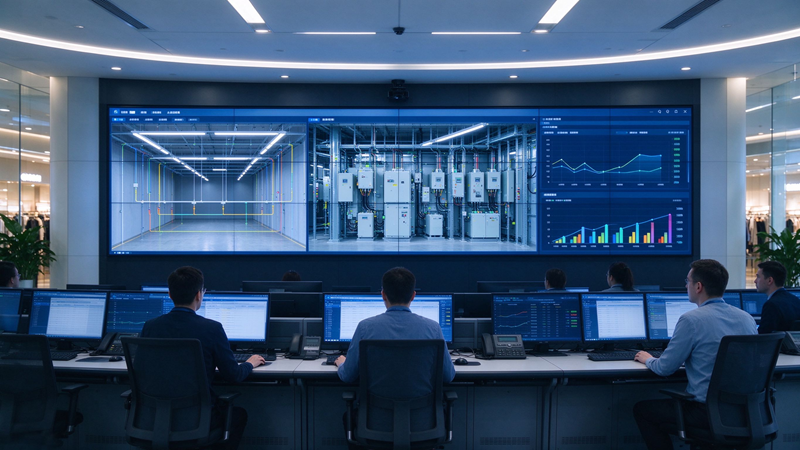
The system adopts a layered, distributed architecture consisting of three major modules: the Platform Management Layer, the Network Transmission Layer, and the Field Device Layer. Addressing the actual needs of diverse spaces such as the atrium, retail shops, dining areas, and parking garages, it uniformly integrates systems including smart lighting, building automation, energy monitoring, and environment monitoring: during business hours, lighting and air conditioning scenes run automatically according to visitor flow; glass curtain wall and skylight areas use light sensing for automatic supplementary dimming; the underground garage is graded and controlled by usage frequency with DALI transitional lighting; faults in critical circuits appear on screen instantly — achieving full-scope linkage of lighting, air conditioning, and sun shading for green operation.
1
Platform Management Layer
(Centralized Monitoring · Scene Dispatch · Data Decision)
The smart lighting control system is displayed on the same screen as the building control and energy management systems. The central control center manages everything in a unified way, dispatching scenes for the atrium, retail shops, dining areas, and parking garages with one tap, with the status of the entire building visible in real time.
1
Network Transmission Layer
(TCP/IP · KNX · BACnet · Modbus · CAN)
The commercial complex LAN and floor network switches provide reliable transmission, supporting multi-protocol access via TCP/IP, CAN, BACnet, Modbus, and more. Uplink data collects device status and energy consumption; downlink commands dispatch start/stop, dimming, and scene instructions, achieving two-way connectivity.
1
Field Device Layer
(Controllers · Panels · Sensors · Actuators)
Smart panels, switch actuators, and dimming modules execute control. Occupancy and illuminance sensors perceive the environment. DLX digital input and DLD analog input modules connect various signals, with the CAN bus linking all devices across the building.
1
Covered systems: Smart Lighting · Building Automation · Energy Monitoring · Environment Monitoring · Public Area Control · Fire Emergency Linkage — six subsystems operate collaboratively on a single platform.
-
 Energy Saving and Consumption Reduction
Time-based scenes, illuminance sensing, and DALI transitional lighting — multiple measures work together to reduce consumption and minimize the commercial complex's operational energy use.
-
Comfortable Experience
Atrium and shop lighting and air conditioning adjust automatically by visitor flow, with natural, pleasant lighting that creates a comfortable shopping and leisure environment.
-
Safety & Reliability
Fire linkage with forced-off and forced-on, lightning protection, and real-time equipment monitoring safeguard both commercial operations and customer safety.
-
Efficient Operations & Maintenance
Critical circuit monitoring, instant fault display, predictive lamp maintenance, and proactive spare-part stocking greatly reduce manual maintenance costs.