

 CN
 EN

Step into a five-star hotel, where you can switch between sleep, welcome and reception scene modes with one tap. In high-end office buildings, lights adjust automatically according to natural light, turning on when people arrive and off when they leave. Large commercial buildings automatically cut off power in designated zones at night to save energy and reduce consumption…
Behind these smooth, stable and highly consistent building intelligent experiences lies one core standard — KNX.
For intelligent buildings, high-grade public buildings and smart hotels, KNX is no longer an optional technology but the standard automation protocol for premium projects. Many people have heard of KNX, yet few truly understand: What exactly is KNX? Why does it dominate the global high-end intelligent building market?
This article uses plain and thorough logic to help you fully grasp the value, principles and application advantages of KNX.
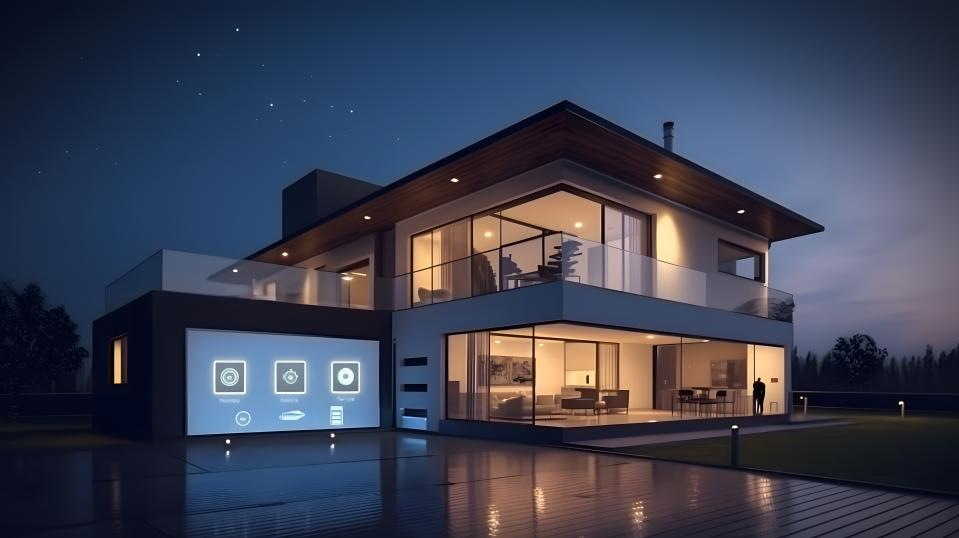
I. What is KNX? The "common language" for building automation
Simply put, KNX is a globally applicable, fully open communication standard for building automation. It is also the only intelligent building control protocol that holds international, European and Chinese official certifications simultaneously.
It is specially designed for intelligent linkage control of various electromechanical equipment in buildings, covering nearly all building automation scenarios including smart lighting, shading and curtains, HVAC, energy management, security alarm and environmental monitoring.
The biggest difference from traditional ordinary light switches and split control systems is that KNX does not let individual devices work independently. Instead, it enables devices across the whole building to "communicate with each other".
All terminal devices share one bus and a unified set of communication logic, truly realizing cross-system and cross-category intelligent linkage. This is the core advantage unmatched by ordinary smart systems.
II. Where does KNX come from? A globally recognized unified standard
KNX is not proprietary technology of a single brand. It is the product of industry standardization and integration.
At the end of the last century, three major European building bus protocols, namely EIB, EHS and BatiBUS, completed technical integration and were officially unified into the KNX universal standard in 1999. The KNX Association carries out global maintenance and iterative upgrades.
With more than two decades of industry development, KNX has obtained three authoritative certifications and become an industry benchmark:
- ✅ European Standard: EN 50090
- ✅ International Standard: ISO/IEC 14543
- ✅ Chinese National Standard: GB/T 20965
Thanks to its standardization, no brand barriers and long-term stable iteration, KNX has broken geographical restrictions and become the universal technical foundation for global intelligent buildings.
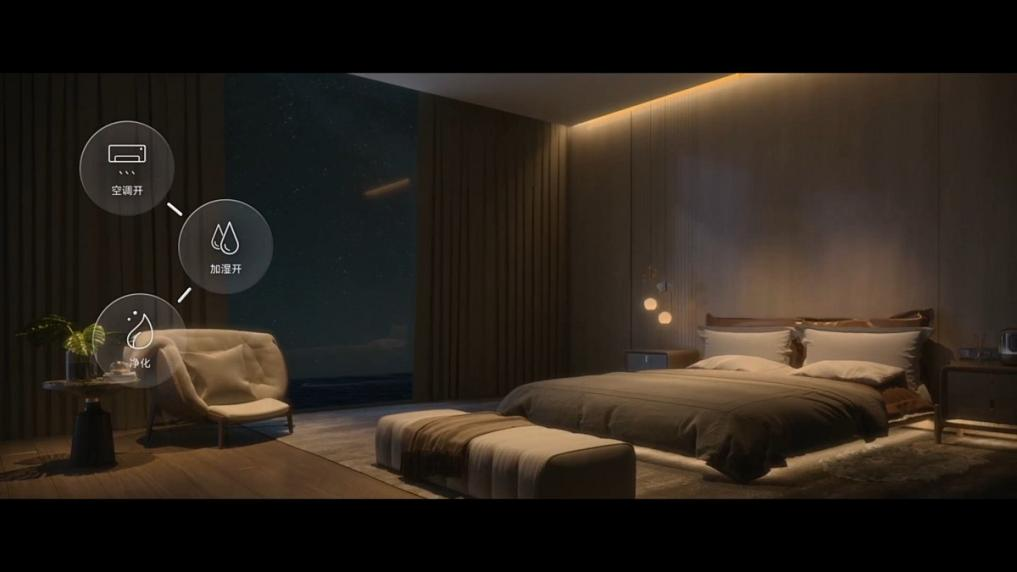
III. Why is KNX the first choice for high-end projects? Interpretation of core advantages
Various niche smart protocols and private control systems emerge endlessly in the market. Nevertheless, most high-end hotels, Grade A office buildings and large public buildings only adopt KNX. The fundamental reasons lie in its maximum openness, high stability and strong adaptability.
- Fully open, free from binding to a single brand
Many smart systems adopt closed proprietary protocols of specific brands. The equipment, after-sales service and upgrades are all locked by manufacturers, resulting in extremely high renovation costs in the later stage. KNX, however, is an open universal standard, brand and manufacturer independent with interoperability and compatibility. KNX-certified devices from different brands can be seamlessly networked and work collaboratively. Owners and engineering contractors can select and match equipment freely, completely eliminating "monopolized after-sales service".
- Distributed architecture with superior stability
Most ordinary smart systems rely on a central host. Once the host fails, the system of the entire room or floor will collapse. KNX adopts a distributed independent control architecture. Every KNX device comes with independent computing and processing capabilities and does not depend on a central host.
A fault of a single device only affects itself without disrupting the operation of the whole system, perfectly meeting the 7×24-hour uninterrupted operation requirements of large buildings.
- Simplified bus networking for easy construction and flexible expansion
KNX mainly adopts TP twisted-pair bus networking. Only one dedicated bus can connect all terminal devices including smart panels, actuators, sensors, curtain controllers, thermostats and gateways. For later functional upgrades, regional renovations and equipment addition or removal of buildings, large-scale rewiring is not required. Expansion and upgrades can be performed at any time to adapt to the full life cycle of buildings.
- Fine-grained intelligent energy saving to greatly reduce operating costs
KNX supports multiple intelligent strategies such as scene modes, timing logic, human presence detection, daylight compensation and load linkage. It can automatically adjust the operation status of lighting, air conditioning and shading equipment according to personnel presence, ambient brightness and seasonal changes, cutting invalid energy consumption in details and saving substantial electricity expenses for commercial and public buildings in the long run.
- Higher cost performance over the full life cycle
Compared with traditional simple control systems, KNX requires slightly higher upfront investment. Yet with advantages of no host dependency, low failure rate, infrequent maintenance and long-term iterative upgradability, it delivers lower long-term operation and maintenance costs and longer service life in large engineering projects. Its comprehensive value far exceeds ordinary smart solutions.
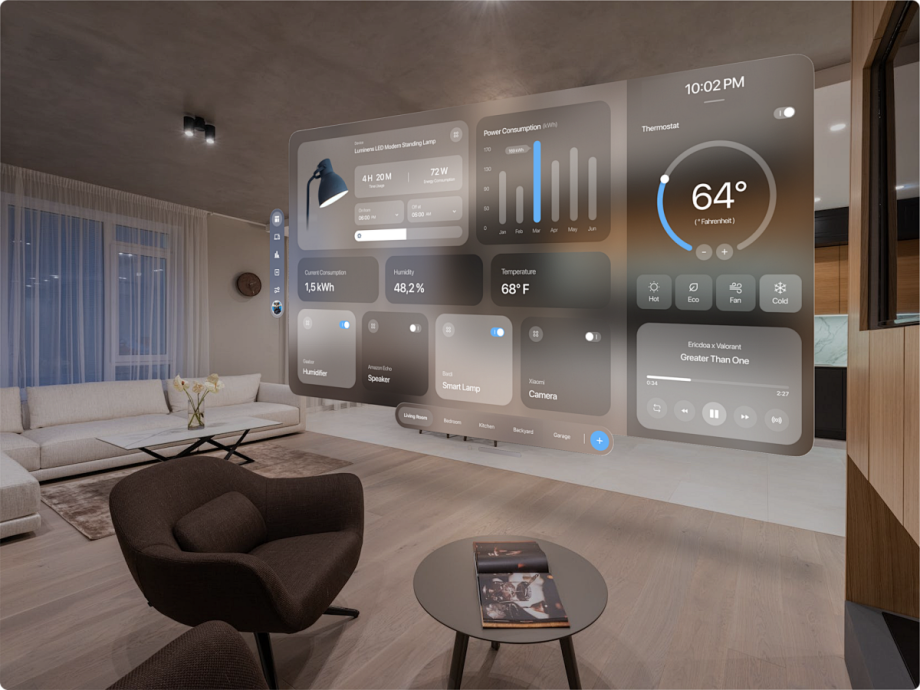
IV. How does the KNX system work? Millisecond-level intelligent linkage experience
The operating logic of KNX is simple and efficient: All devices exchange commands based on a unified bus without relay, achieving a response speed at the millisecond level.
Typical linkage scenario: Command triggered by wall-mounted smart panel → Signal transmitted via KNX bus → Corresponding actuators, sensors and terminal devices execute actions synchronously.
With this logic, abundant intelligent scenarios can be realized:
- Human presence sensors in meeting rooms automatically turn on lights, power up devices and adjust temperature; power cuts to standby mode when no one is present
- The system automatically dims lights for supplementary lighting when natural light is sufficient to avoid over-illumination
- One-tap shutdown of lighting, air conditioning and peripheral equipment across all areas after work
- One-tap switching of exclusive welcome, sleep, living and cleaning scenes in hotel rooms
V. Dorbas KNX Intelligent Control Solution
As a professional service provider focusing on smart lighting and building automation, Dorbas has made in-depth layout of the KNX standard system. Relying on mature technology R&D and abundant implementation experience, it develops all-scenario integrated KNX intelligent control solutions.
Our products and solutions are widely applicable to various building intelligent projects including star hotels, high-end office buildings, commercial complexes, hospitals, schools, museums, high-end residences and smart parks.
From equipment R&D, scheme design and on-site commissioning to later operation, maintenance and upgrade, Eucontrols provides stable, efficient and compatible KNX intelligent control systems to help all types of buildings achieve comprehensive upgrades of intelligent perception, automatic linkage, energy conservation and consumption reduction, and streamlined operation & maintenance.
Conclusion
A truly intelligent building is never a simple stack of equipment, but system interconnection, logical linkage and long-term stability.
The reason why KNX has become the globally adopted standard for high-end intelligent buildings is that it addresses the pain points of traditional smart systems: isolation, lagging performance, instability and difficult upgrades. In the future, with the continuous upgrading of smart and low-carbon buildings, standardized building automation solutions centered on KNX will become the mainstream choice for building intelligent transformation.