
 CN
 EN

I. What is it?
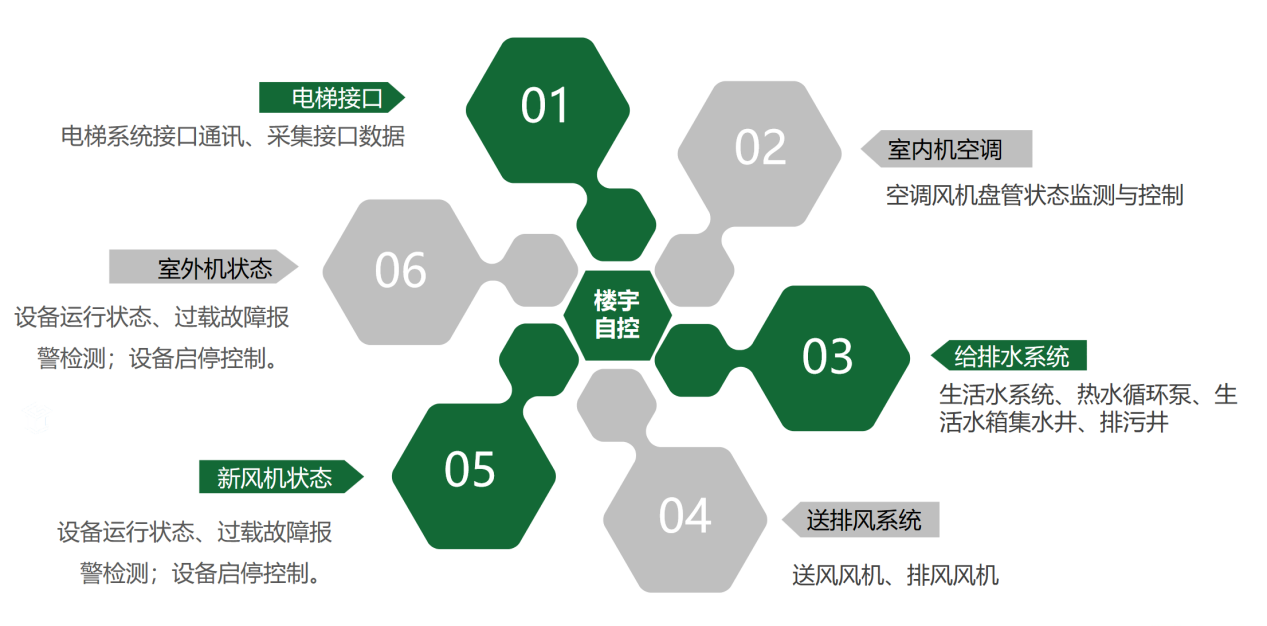
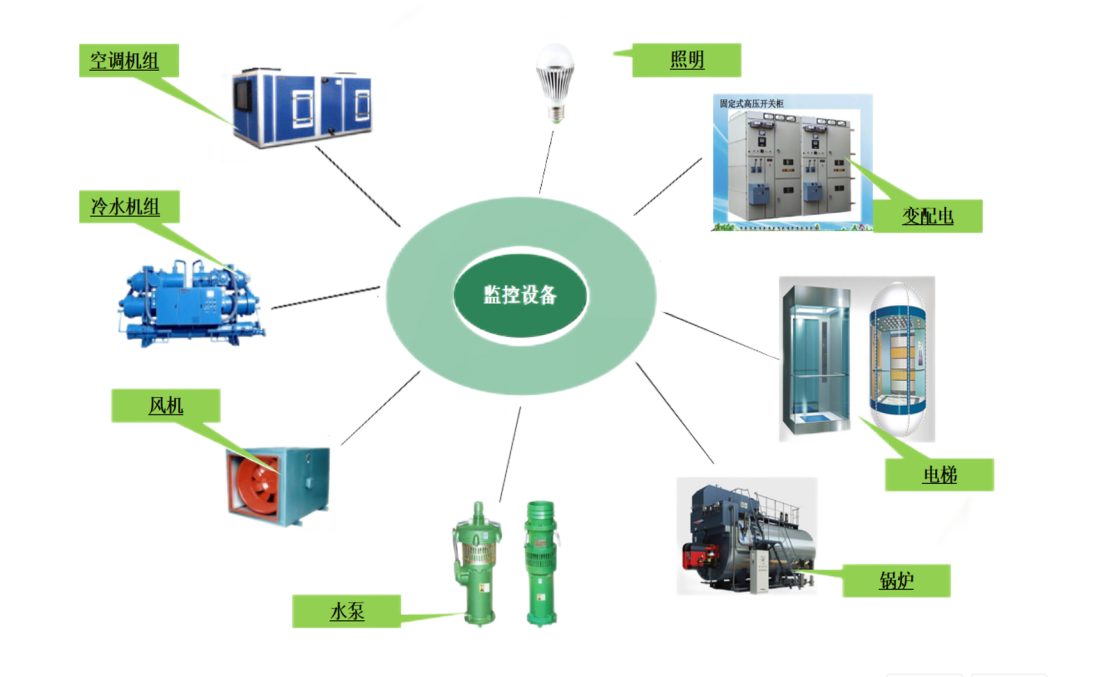
Building Automation System (BAS) is the BA module of the 5A intelligent building system. It is equivalent to installing a central nervous system for the building — networking all distributed mechanical and electrical equipment including cold and heat sources, air conditioning, fresh air, water supply and drainage, lighting, power supply and distribution, elevators to realize centralized monitoring and automatic management.
II. Why install it? Four core values
① Save costs (the most direct benefit)
Take Jiujiang Xintiandi 300,000 ㎡ complex as an example:
Smart lighting → 15% power saving, saving about 250,000 CNY per year
Air conditioning energy saving → 20% energy consumption reduction, saving about 500,000 CNY per year
Labor cost → 60% reduction, saving about 300,000 CNY per year
Total annual saving exceeds one million CNY with a short payback period.
② Energy saving (Where is the major energy consumption in buildings?)
Air conditioning cold & heat sources: 55% (largest consumption)
Lighting: 30% (second largest consumption)
Water pumps: 10%
Elevators: 5%
—BAS excels at targeting these major loads to achieve precise energy reduction.
③ Extend equipment service life
By recording equipment running hours and implementing reasonable rotation of start and stop, it avoids overloading some units while others remain idle, enabling balanced operation of each device and extending service life.
④ Early detection of hidden risks
The system triggers real-time alarms upon equipment anomalies. Managers can quickly identify when, where and what fault occurs, eliminating incidents at the early stage.

III. Four practical methods to achieve energy saving
Method 1: Dynamic temperature and humidity control
Temperature and humidity sensors (accuracy ±0.5℃/±3%) are installed in each zone. The system compares indoor and outdoor data in real time and automatically calculates optimal temperature and humidity to adjust water valve opening — eliminating waste such as over-cooling in summer and over-heating in winter in shopping malls.
Method 2: Intelligent fresh air volume regulation based on CO₂ concentration
Higher fresh air volume brings higher energy consumption. The system dynamically controls fresh air startup and shutdown according to indoor CO₂ concentration: turn on when exceeding threshold and turn off when qualified. This single measure reduces air conditioning energy consumption by an average of 10%.
Method 3: Optimal start-stop time control
Shopping mall air conditioning: reduce operation by 1 hour daily while maintaining comfort
Public lighting: automatic dimming according to outdoor light intensity (3 levels: 100%→75%→50%), saving 5% electricity
Sewage pumps: avoid peak electricity hours and take advantage of peak-valley electricity price difference to drain water at night with low electricity tariff
Method 4: Automatic seasonal mode switching
Spring and autumn transition seasons: air conditioning stops and fresh air volume is intelligently adjusted
Summer: air conditioning runs under optimized strategy, and cool fresh air is used at night to purge residual heat in malls
Winter: boilers and air conditioning automatically start when the average daily temperature stays below 10℃ for 5 consecutive days
—Seamless annual switching to avoid unnecessary energy consumption.

IV. Summary in one sentence
Installing BAS for buildings is not for trend-chasing, but converting invisible waste into visible profits via technology. It transforms buildings from heavy energy consumers into energy-saving assets and upgrades manual inspection to intelligent management. Energy conservation is a national policy and also a solid economic consideration with clear return.
Dorbas Building Automation System adopts an international open platform. It is committed to building an efficient, comfortable and energy-saving living environment, improving equipment management efficiency, cutting operating costs, protecting investors’ benefits, providing safe and comfortable surroundings for occupants, and delivering optimized energy-saving solutions for sustainable social development.