
 CN
 EN

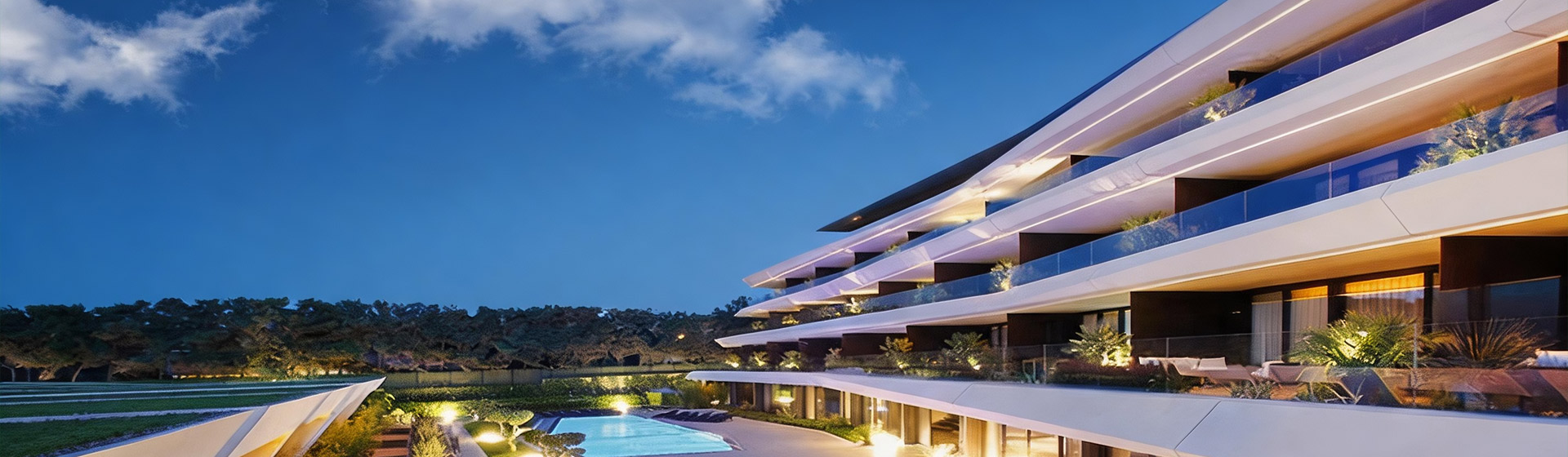
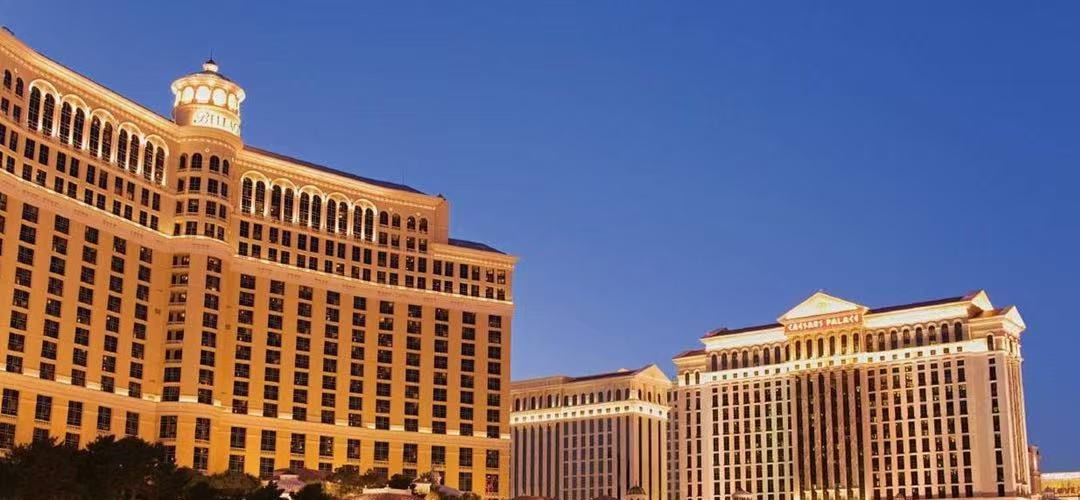
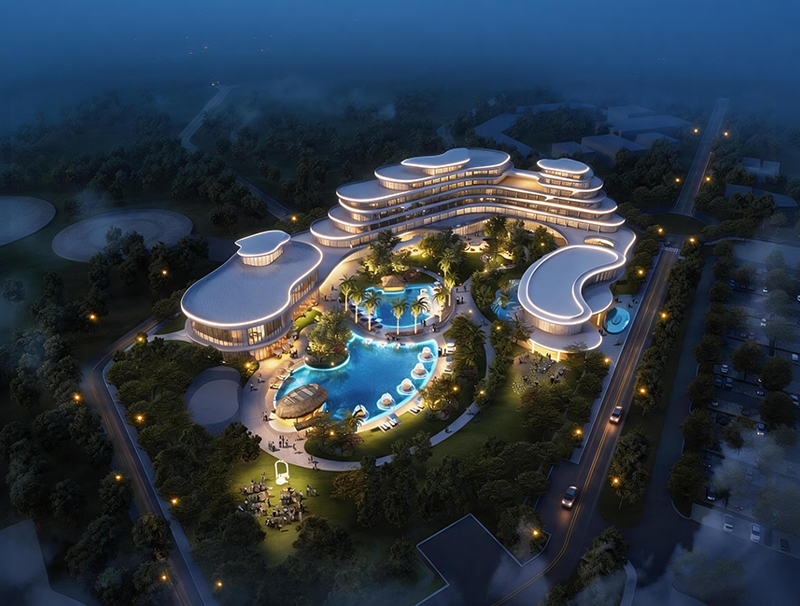
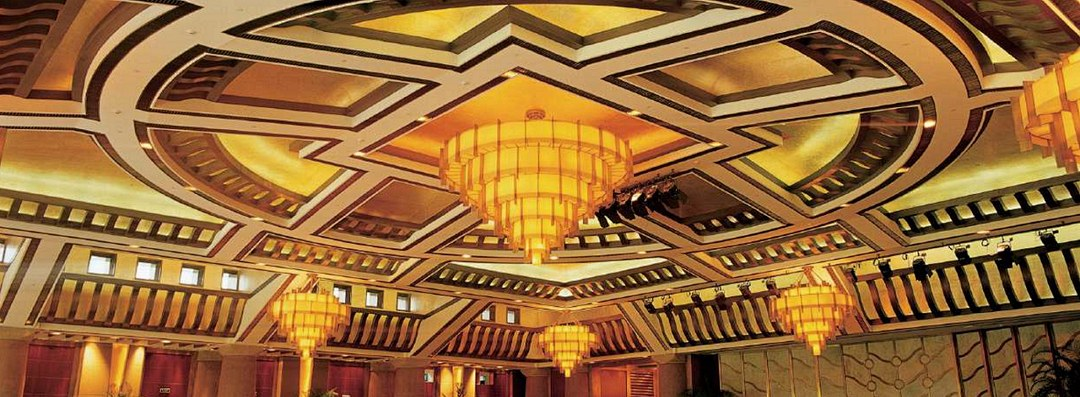
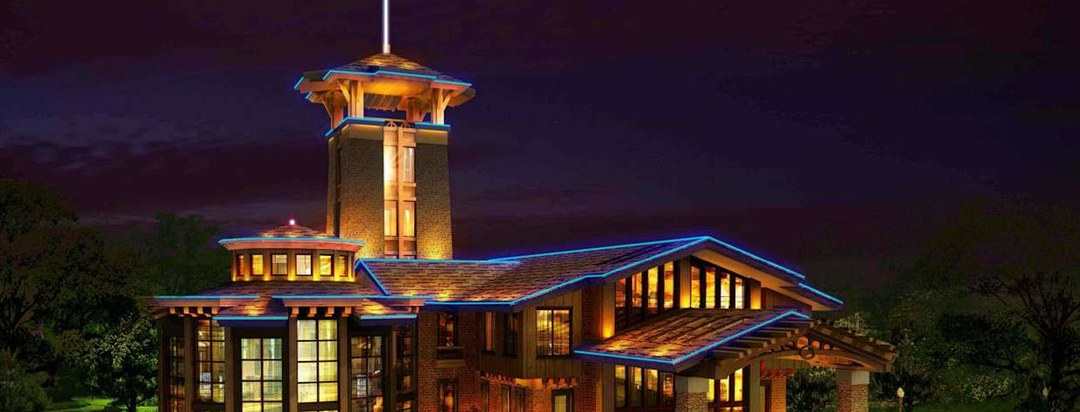
Centered on in-room control, it brings the hotel's lighting, air conditioning, curtains, banquet scenes, and mechanical & electrical equipment together into one smart system. Extending upward to building automation, energy monitoring, and architectural lighting, it makes every guest feel right at home and keeps every space manageable, controllable, and optimizable.
-
 Smart In-Room Control
-
 Public Area Lighting
-
 Banquet Scene Control
-
 Building Automation Control
-
 Energy Monitoring
-
 Architectural Landscape Lighting
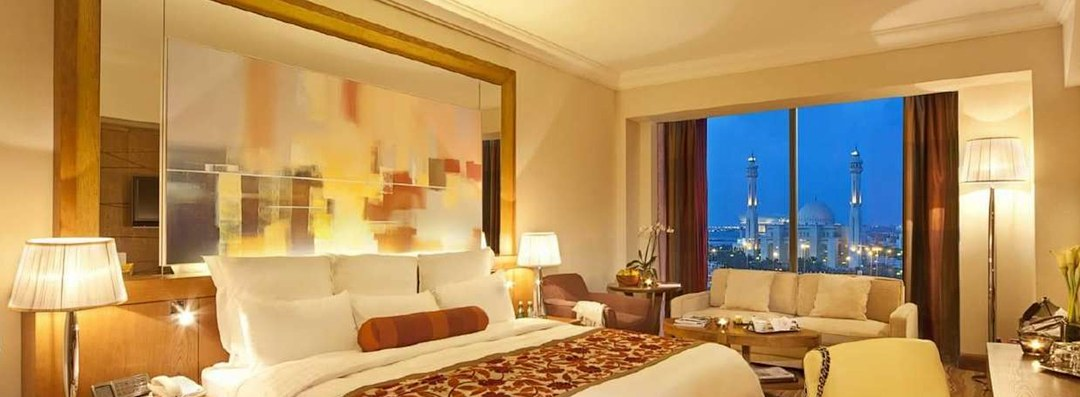
 Automatic switching among three room statuses: Vacant, Occupied and Welcome. Card power supply with dedicated card only.
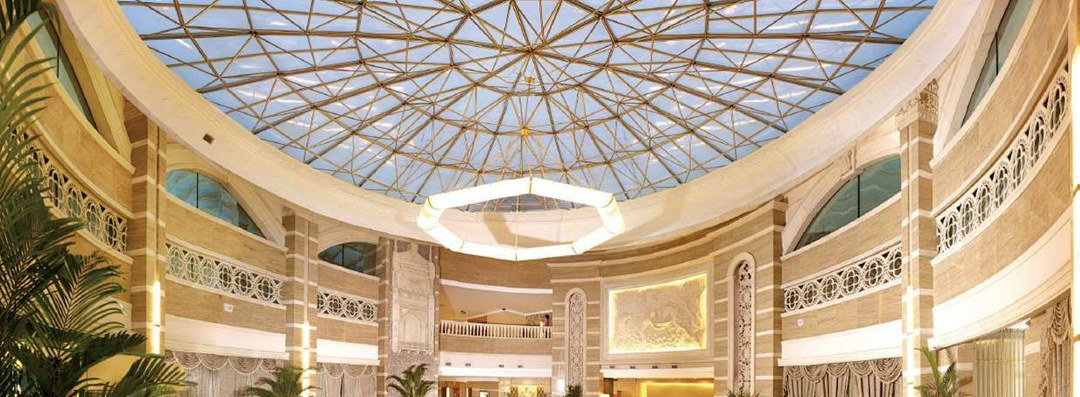
The system adopts a layered, distributed architecture consisting of three major modules: the Platform Management Layer, the Network Transmission Layer, and the Field Device Layer. It is compatible with mainstream industrial protocols such as KNX and BACnet, and fully integrates hotel lighting, HVAC, fire protection, power distribution, and other subsystems, breaking down device silos to achieve unified monitoring, intelligent linkage, and data interoperability across all scenarios.
1
Platform Management Layer
(Centralized Monitoring · Guest Room Center · Data Decision)
The centralized monitoring center, guest room center, and front desk are managed in a unified way. The smart control platform and energy monitoring platform are displayed on the same screen. Room status, occupancy status, guest room calls, and remote air conditioning settings are all served in one step.
1
Network Transmission Layer
(TCP/IP · KNX · BACnet · Modbus)
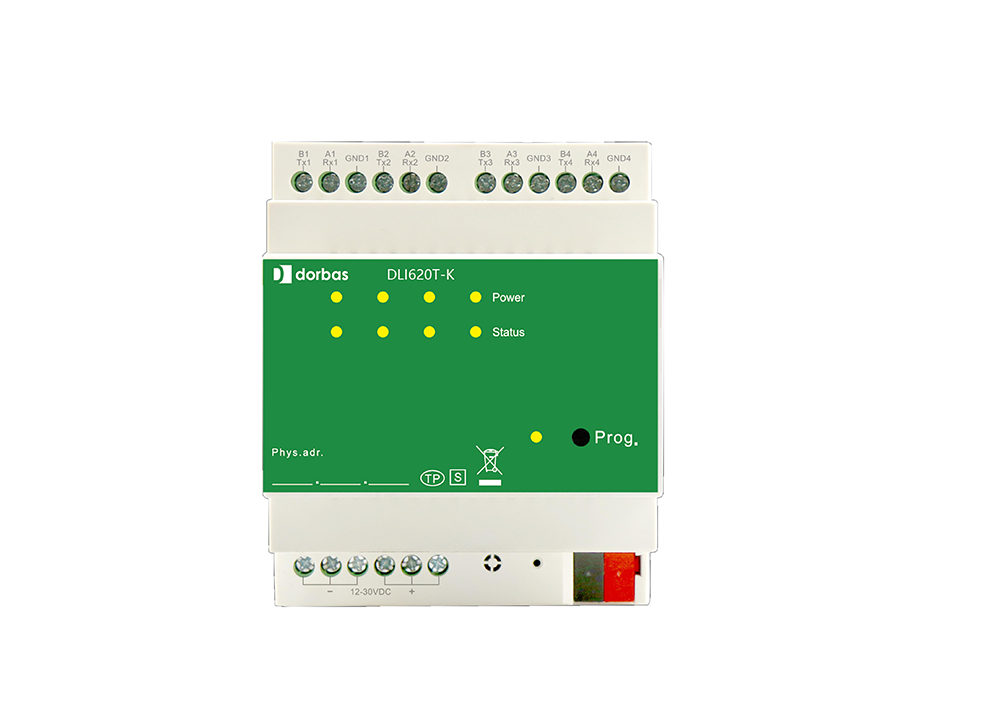
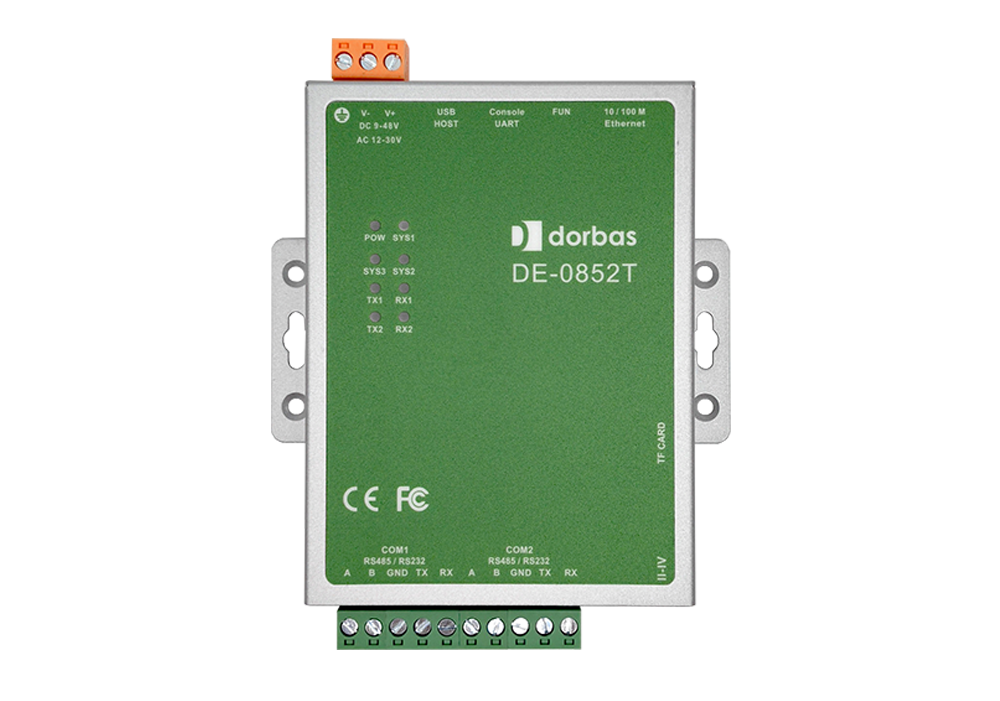
The hotel LAN and floor network switches provide reliable transmission, supporting multi-protocol access via RS485, BACnet, Modbus, and more. Uplink data collects device status and energy consumption; downlink commands dispatch start/stop, dimming, and scene instructions, achieving two-way connectivity.
1
Field Device Layer
(RCU · Controllers · Panels · Sensors)
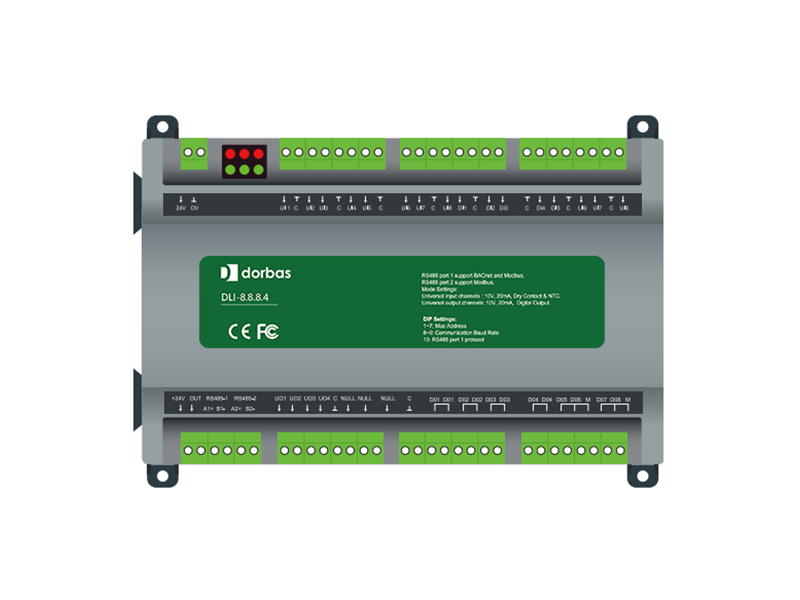
RCU guest room controllers, DDC field controllers, and smart panels execute control. Smart electricity, water, and heating/cooling meters measure energy consumption. Illuminance, occupancy, temperature, and humidity sensors perceive the environment. Landscape lighting control cabinets dispatch as needed.
Covered systems: Smart Rooms · Public Lighting · Banquet Scenes · Building Automation · Energy Monitoring · Landscape Lighting — six subsystems operate collaboratively on a single platform.
-
 Energy Saving and Consumption Reduction
Public lighting saves energy by scene, air conditioning runs by status and time period, landscape lighting dims on demand, and energy data undergoes closed-loop optimization — multiple measures work together to reduce consumption.
-
Experience Upgrade
Guests are welcomed by an arrival scene the moment they enter, with lighting, temperature, and curtains automatically ready. Service requests are responded to with one tap, making guests feel right at home.
-
Efficient Operations & Maintenance
The guest room center, engineering department, and general manager each get tiered visibility. Room status, equipment, and energy consumption are all on one screen, greatly reducing inspections and repetitive work.
-
Safety & Reliability
SOS emergency assistance, open-door alerts, and equipment fault alarms, with fire-fighting linkage firmly guarding safety boundaries — the entire system's operation is fully traceable.